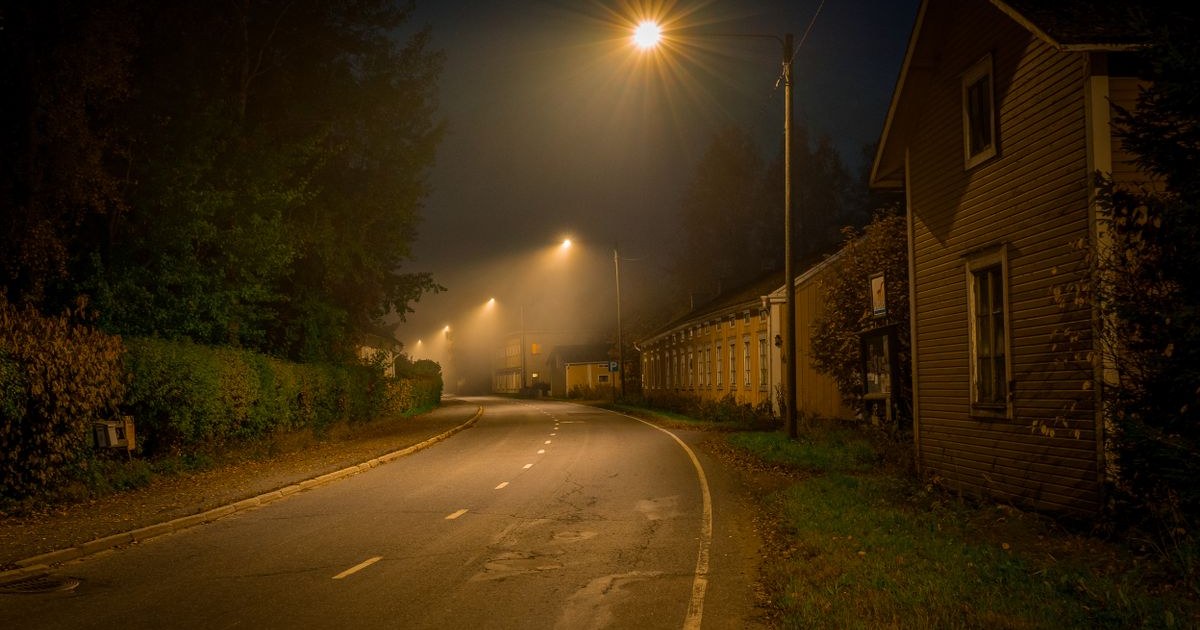
Local Woman Missing by Mary Kubica, published by Park Row in May 2021 as her seventh novel, is a domestic suspense thriller set in a suburban Chicago community where people are not supposed to simply disappear. Shelby Tebow vanishes first, on a run in the rain. Not long after, Meredith Dickey, a doula with two young children and a schedule nobody can predict, vanishes blocks away with her six year old daughter Delilah, and the search yields more questions than answers until the case goes cold. Eleven years later, Delilah returns, and no one, not her father, not her brother Leo, not the neighbors who kept the porch light of the story burning for a decade, is prepared for what comes back with her. Kubica tells the story through three narrators, Meredith, her friend Kate, and Leo, in a nonchronological structure engineered for misdirection. This guide sequences the meeting in three movements: the disappearances, secrets and motherhood, and the return, with the twists protected behind a spoiler marker until the group is ready for them.
How to Use This Guide
Thriller groups love suspect talk, so let members commit to theories early and in writing if they enjoy it; the final movement is twice as satisfying when everyone has a stated position to defend or surrender. The first movement covers the disappearances and the narrators, and is safe for readers a third of the way in. The second movement takes up secrets, motherhood, and the suspicion economy of the genre, and assumes the middle chapters. The third movement, behind the spoiler marker, names the hit and run and the captivity, and it must be guarded fiercely: if even one member has not finished, stop after the second movement and give them the closing ritual instead. The refresher below restores the Dickey family and the neighbors around them. The pass rule applies throughout, and it matters here, because the book's material, missing children, obstetric violence, captivity, sits close to real fears.
Who Is Who: A Two Minute Refresher
Meredith Dickey is a doula and one of the narrators, a mother of two young children whose work takes her out at unpredictable hours to other women's most vulnerable moments, and who vanishes with her daughter on a stormy night. Delilah Dickey is Meredith's daughter, who disappears at six years old and returns eleven years later, carrying the book's central mystery inside her own memory. Leo Dickey is Meredith's son and a narrator, Delilah's brother, who grows up in the house the search emptied and resents, complicatedly, the sister who comes home. Josh Dickey is Meredith's husband and the children's father, whose conduct as a husband and father the group will weigh all evening, and who falls, as husbands in this genre do, under suspicion. Kate is a narrator and neighbor whose chapters carry the search and the community's fear from the outside. Shelby Tebow is the first woman to go missing, whose disappearance opens the book's dread and whose own story, including a traumatic birth, runs underneath the main one. Bea is Kate's partner, the woman whose choices in a car beside Meredith on one stormy night sit near the center of the mystery.
Movement One: The Disappearances
- Shelby vanishes first, and then Meredith and Delilah disappear blocks away, close in time. How does the order of the disappearances steer your suspicions as a reader, and at what point did you start treating the cases as one case?
- The novel is told by Meredith, Kate, and Leo in a nonchronological structure full of misdirection. Which narrator did you trust most at the start, and what, specifically, made the other two harder to trust: what they said, or what they could not know?
- The stormy suburban spring weather is as volatile as the plot, and Kubica sets dread on ordinary streets, cul de sacs, and running routes. How does she use weather and familiar ground to make a peaceful community feel unsafe without a single gothic prop?
- A case that goes cold leaves a neighborhood living beside an unanswered question for eleven years. How do the families in this book behave once the search stalls, and which of those behaviors did you find most true to life?
Movement Two: Secrets and Motherhood
- Meredith works as a doula, present at other women's births, while juggling two young children and a marriage under strain. How does her work shape how you judge her as a mother, and how does the book use the judging itself as one of its subjects?
- Keeping secrets from friends and loved ones runs through this book at every level of seriousness. Before you knew the ending, which secret felt most understandable to you, and which felt least forgivable, and what does that ranking say about your own rules?
- Obstetric violence and abuse surface in what Meredith witnesses as a doula and in Shelby's experience of giving birth. Were you surprised to find those passages inside a missing persons thriller, and what do they add to a book about women disappearing?
- Josh is a husband and father living under a cloud for most of the novel. Did you seriously consider him a suspect, and for how long, and what does your answer show about how thrillers have trained their readers to suspect the husband first?
Movement Three: The Return and the Reckoning
Spoiler marker: everything past this line assumes the ending, so anyone protecting the last chapters should stop here and take the closing ritual instead.
- Delilah returns after eleven years, having been held in captivity while another child grew up separated from her own parents. How did the return scenes handle her trauma, and did Leo's resentment toward the sister who came home come to feel justified, cruel, or irreducibly both?
- On the night of the hit and run, Bea and Meredith make their choices in a car, in the rain, in seconds, and those choices echo through everything after. Is Bea a cold blooded killer or a desperate woman who saw no other way out, and how complicit was Meredith in what followed?
- The ending leaves the damage widely distributed: two women dead, a man sent wrongly to prison, a child kept captive, another raised apart from her mother and father. Who suffered most across the whole book, and who bears the most blame, and are those ever the same answer?
- Knowing the full structure now, audit the twists. Which was fairly planted in the early chapters, waiting for you, and which depended on what the narrators withheld from you rather than on what the book showed? Would this novel survive a second reading, and would you give it one?
Closing Ritual
Close with the porch light. Ask each member to name, in one sentence, one thing this book made them notice about their own street, their own routines, or the people they wave at without knowing. No theories, no spoilers, just noticing. Then have the leader ask the table's last question as a show of hands: knowing everything now, which narrator would you trust to tell you the story of your own worst month? Count the hands and end there; the split in the vote is the book's reputation in miniature.
If Your Club Liked This One
The Good Girl by Mary Kubica. Her breakout novel, in which a young woman is kidnapped and the story is told in alternating before and after strands. It pairs with this book as the origin of Kubica's signature structure, and comparing the two misdirection engines is instructive.
The Couple Next Door by Shari Lapena. A baby vanishes from a house while her parents are at dinner next door, and the investigation peels the whole street. Read it next for suburban dread at maximum pressure and secrets in every direction.
Behind Closed Doors by B. A. Paris. A marriage that looks perfect from the street is a locked room from inside. It matches this novel on the gap between a neighborhood's view of a family and the family's actual weather.
Themes to Keep in Play
The suspicion economy. A missing persons case turns every neighbor into a suspect and every marriage into evidence. Keep asking who benefits from each suspicion the book plants, including the author.
Mothers judged at work. Meredith's doula work places her at other women's births while her own motherhood is audited by everyone, police, neighbors, readers. The book is quietly furious about that audit; notice where.
What eleven years does. The cold case years are not empty time in this novel; they are a second crime scene, in which a family and a street are slowly remade around an absence. Track what the waiting itself destroys.
Running the Meeting: Timing and Trouble Spots
Ninety minutes, tightly held. Spend ten minutes on the refresher and on collecting early theories, twenty five on the disappearances, and twenty five on secrets and motherhood. Break before the spoiler marker, then twenty minutes on the return and the reckoning, and ten for the ritual. Trouble spots: first, spoiler discipline is the whole game with this book; agree at the door that the third movement's facts, the car, the captivity, are not to be hinted at early, even as jokes. Second, Leo's resentment can draw real heat, because members read it through their own siblings; question nine is designed to hold both readings at once, so let it. Third, the obstetric passages surprise members who came for a puzzle; give them their full weight in the second movement rather than hurrying past, because the book's argument about how women are treated at their most vulnerable is not decoration.
The Doula at the Center, in One Paragraph for the Leader
Kubica's sharpest structural choice is Meredith's profession. A doula is a professional witness to other people's thresholds, hired to be calm inside the most dangerous ordinary hour of a woman's life, and Meredith's chapters carry births, coercions, and violations she observes but cannot fix. That vantage quietly organizes the whole novel's ethics: women are most at risk, the book keeps showing, at the moments they are most surrounded by helpers, institutions, and watchers who each see only their own slice. Leaders can open the second movement with that observation and ask the table to list who was watching, and failing to see, at each of the book's disasters. The list is longer than anyone expects, and it changes how the ending's blame gets assigned. There is a corollary worth the leader's second minute: Meredith's professional calm makes her an unusually controlled narrator, a woman trained to narrate emergencies soothingly while they are still happening, and the book exploits that training beautifully. Her chapters soothe the reader the way she soothes a laboring mother, which means the misdirection lives not only in what she omits but in the temperature of her voice. Ask the table when they last felt managed by her tone, and the fairness audit in the final movement will already be half done.
Scene Anchors: Five Pages to Argue From
The rainy run. Shelby goes out into the storm and does not come back, and the book's dread is set in ordinary weather on an ordinary route. Anchor every claim about the community's safety in how unremarkable this scene is.
The night Meredith vanishes. A storm, a car, a sequence of decisions made in seconds. The whole novel hangs on this sequence, and the spoiler movement will return to it; keep its early, partial version in view from the start.
Kate searching. The neighbor's chapters show the case from outside the family, flyers, fear, and the slow curdling of a street. Use them when the table forgets that a disappearance is also a community event.
Leo at home. The brother narrates the house that the search built, the shrine and the silence. His chapters are the book's ledger of what a cold case costs the people who stay findable.
The return. Delilah comes back after eleven years, and every relationship in the book must be renegotiated in her presence. End the spoiler talk here; the fairness audit of the twists works best with her face in the room.
One Question for the Whole Evening
If discussion needs one spine, ask this: who in this book was watching, and what did each watcher miss? Go around the table assigning one watcher per member, police, neighbors, husband, friends, the narrators themselves, and make each member name the specific thing their watcher failed to see. The completed list is the novel's real solution, underneath the one the plot provides.
More book club guides
Frequently asked questions
What is Local Woman Missing about?
In a suburban Chicago community, a woman named Shelby vanishes, then Meredith Dickey and her six year old daughter disappear days later. Eleven years on, the daughter returns, and the truth about both cases comes apart at last.
Who wrote Local Woman Missing?
Mary Kubica, author of The Good Girl and Pretty Baby. Local Woman Missing, published by Park Row in 2021, is her seventh novel and one of her most widely read thrillers.
Is Local Woman Missing told in order?
No, and the disorder is the design. Three narrators, Meredith, Kate, and Leo, tell the story across two timelines eleven years apart, and part of the club's pleasure is auditing which twists were fairly planted.
Does this guide spoil the ending of Local Woman Missing?
Only the third movement does, behind a clear spoiler marker, and it names the hit and run and the captivity. The earlier movements discuss the disappearances and the secrets without resolving either case.
Is Local Woman Missing a good book club pick?
It is an excellent thriller pick, because the argument survives the twists: members will debate blame, watching, and fairness long after the solutions are known. Expect the Leo question to divide the room most.