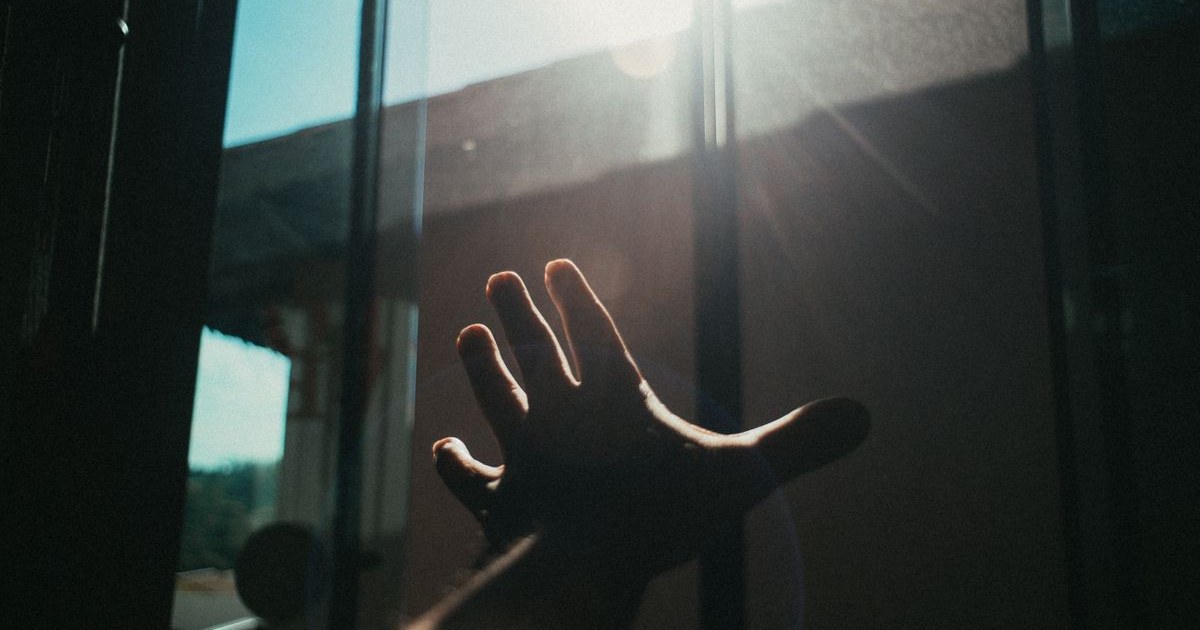
Klara and the Sun by Kazuo Ishiguro, published by Knopf in March 2021, was his first novel after winning the Nobel Prize in Literature in 2017, and it was longlisted for the Booker Prize. It is narrated by Klara, an Artificial Friend, a solar powered companion robot with unusual observational gifts, who begins the novel in a shop window, watching the street and the Sun she regards as a living benefactor, and hoping to be chosen. The girl who chooses her, Josie, is bright, funny, and seriously ill, and her mother Chrissie carries a plan for Josie's future that she can barely say aloud, a plan involving the portrait artist Mr. Capaldi and Klara herself. Book clubs tend to argue first about whether Klara is conscious, and the novel is patiently more interested in a harder question: what her devotion obliges everyone around her to do. This guide sequences the meeting in three movements: the store and the choosing, the bargain Klara makes with the Sun, and the ending, with spoilers held behind a marker for the final movement.
How to Use This Guide
A care note before anything else: the novel's engine is a child's serious illness and a mother's grief for a daughter already lost, Josie's older sister Sal, and members parenting sick children, or carrying a similar loss, may find the Mother's plan less hypothetical than the group assumes. Announce the themes when the book is chosen, and keep the pass rule in force all evening. The first movement covers the store, the choosing, and Klara's way of seeing, and is safe for readers a third of the way in. The second movement takes up the studio visit, the falls, and the bargain with the Sun, and assumes the middle chapters. The third movement, behind the spoiler marker, handles the recovery, the unused plan, and the Yard. The refresher below restores the household and the neighbors who matter.
Who Is Who: A Two Minute Refresher
Klara is the narrator, an Artificial Friend prized for her observational gifts, whose faithful, literal, quietly devastating narration sorts the world into boxes of light and pattern and reports more than she understands. Josie is the girl who chooses her, quick, funny, and seriously ill with a condition the novel never precisely names, whose future is being edited by every adult around her. Chrissie, called the Mother, is Josie's mother, who works in the city, has already buried one daughter, and carries the Capaldi plan she can barely say aloud. Paul, called the Father, is Josie's father, separated from Chrissie, an engineer who lost his place in the new economy and opposes parts of her plan. Rick is the boy next door, Josie's closest friend, whose unlifted status, in a society that genetically edits its children for advantage, threatens the future they have planned together. Rosa is Klara's gentle friend from the store, whose fate is reported late and briefly. Mr. Capaldi is the portrait artist whose studio holds the book's most unsettling secret.
Movement One: The Store and the Choosing
- Klara watches the world from a shop window and divides what she sees into boxes, grids of pattern and light. What does her way of seeing reveal that a human narrator would miss entirely, and what does it reliably hide?
- The Artificial Friends in the store compete for children while pretending not to compete. What does the store teach Klara about her own worth, and at what point in those early chapters did you begin to trust her judgment more than the humans'?
- Josie chooses Klara and promises to come back for her, and then there is a wait. Did you believe the promise, and what does the waiting do to Klara that she has no words to name?
- Klara believes the Sun is a person, her nourisher, who can be petitioned like a god. Is her faith simply a misunderstanding of her own solar panels, or is the book asking you to take it more seriously than the humans in it do?
Movement Two: The Bargain with the Sun
- Klara travels to Mr. Capaldi's studio and learns what the Mother has been preparing there. How did your feelings about Chrissie change inside that scene, and did they change back afterward, or stay changed?
- Klara asks the Sun to pour special nourishment into Josie and offers something of her own in exchange, including action against the polluting machine she calls the Cootings Machine. Is her bargain faith, logic, or a child's deal struck with the sky, and does the book bother to distinguish those?
- The Mother takes Klara to Morgan's Falls and tests her there, in grief and in anger, making her perform Josie. What exactly is Chrissie rehearsing for, and what does Klara learn from passing and failing the same test at once?
- Klara gives up part of her own functioning as part of her pledge to the Sun, and her perception is altered afterward, her famous boxes disturbed. What does the book gain by making her sacrifice cost her the very gift she was bought for?
Movement Three: The Ending
Spoiler marker: everything past this line assumes the ending, so anyone protecting the last chapters should stop here and take the closing ritual instead.
- Josie recovers and grows up, and Klara's place in the household quietly expires, the way a childhood toy's place expires. Was anyone in that family cruel, or is this simply what growing up does to beloved things, and is there finally a difference?
- The continuation plan, the thing Capaldi was preparing, is never carried out. Does that fact make the Mother's preparation forgivable, worse, or somehow beside the point, and what does your answer assume about intentions?
- Klara ends in the Yard, among discarded Artificial Friends, sorting her memories in careful order for a visitor. Did her acceptance of that ending make her fate easier or harder for you to bear, and what does your answer say about what you believe she is?
- The Father suggests there is nothing inside Josie that Klara could not eventually have learned, and Klara herself locates the special thing not inside Josie but in the people who loved her. Do you agree with Klara's answer? Take the question slowly; the book ends there because everything is at stake in it.
Closing Ritual
Close in Klara's own manner, by looking carefully. Ask each member to name one thing they watched this month the way Klara watches, with total attention and no agenda: a street, a face, weather crossing a window. One sentence each. Then ask the table the store's question in reverse: not whom would you choose, but what do you hope the things that love you, people, animals, machines, actually see when they watch you? Let two or three answers stand and end there, in the watching.
If Your Club Liked This One
Never Let Me Go by Kazuo Ishiguro. Cloned children raised for a purpose they only half understand, narrated in the same level, devastating calm. It is this novel's closest relative, and comparing the two narrators' innocence is a complete evening.
Exhalation by Ted Chiang. A story collection that includes digital beings raised, loved, and outgrown by their owners. Read it next if your table argued longest about what Klara is owed and by whom.
Do Androids Dream of Electric Sheep? by Philip K. Dick. A bounty hunter tests androids for the one trait said to separate them from humans: empathy. It pairs with Ishiguro as the colder, stranger version of the same question, asked from the human side.
Themes to Keep in Play
Devotion without comprehension. Klara loves perfectly and understands partially, and the book keeps asking which of those the humans actually needed from her. When the consciousness debate starts, steer it here, where the novel lives.
Editing children. The lifted and unlifted divide runs under every relationship in the book, Josie's prospects, Rick's exclusion, the Mother's desperation. Keep the social machinery in view, not only the family's feelings.
What the Sun sees. Klara's faith gives the novel its title and its strangest comfort: a watcher who nourishes without judging. Ask, whenever the room hardens against a character, how the scene looks from the Sun's side of the window.
Running the Meeting: Timing and Trouble Spots
Give this book a full two hours and let the final movement run long if the room needs it; rushing the Yard is the one scheduling error that matters. Spend ten minutes on the refresher and the care note, twenty five on the store movement, and thirty on the bargain. Break before the spoiler marker, then allow thirty five minutes for the ending and ten for the ritual. Trouble spots: first, the consciousness argument can consume the evening in its abstract form; ration it by requiring a scene for every claim about what Klara is. Second, the Mother polarizes rooms into condemnation and defense, both too easy; question five is built to hold members inside the studio scene, where their feelings actually changed, before any verdict. Third, members parenting ill children may need the discussion of Josie's illness handled at the level of the family's fear rather than medical speculation, which the novel itself models by never naming the diagnosis.
The Unnamed Illness, in One Paragraph for the Leader
Josie's condition is never precisely named, and neither is the procedure that made her lifted and endangered her, and that double vagueness is a design, not an omission. It keeps the novel from becoming a case study of one disease and makes it a study of every family's fear: a child whose future is being negotiated by medicine, money, and love, in language the family only half controls. It also protects the book's central transaction, because what the Mother is preparing with Capaldi can stand for any parent's fantasy of not losing a child, anywhere, at any technological level. Leaders should name the vagueness once, before the second movement, so members stop hunting for a diagnosis the author deliberately withheld and start discussing what the withholding lets them see. It also explains the book's unusual tenderness toward Chrissie's plan: with no named disease to research and no prognosis to quote, the reader is left exactly where the family lives, inside uncertainty, making moral decisions without the comfort of a chart. Ishiguro, who built Never Let Me Go on a similarly unnamed system, trusts readers to feel a structure without being handed its manual, and clubs reward that trust when the leader names it early.
Scene Anchors: Five Pages to Argue From
The shop window. Klara and Rosa watch the street and divide the world into boxes, and the Sun crosses the floor toward them. Everything about her seeing, and her faith, is established here.
The choosing and the wait. Josie picks Klara, promises, and does not come back on schedule. Keep this stretch in view during every discussion of devotion; the book's definition of faithfulness is built out of waiting.
The studio. Capaldi's portrait work reveals its true purpose, and Klara understands more than she says. It is the scene where most readers' feelings about the Mother permanently change.
Morgan's Falls. The Mother tests Klara as Josie, in grief and anger at once, beside the water. Anchor the rehearsal question here, and notice what Klara files away from failing.
The Yard. Klara arranges her memories in order and receives a visitor from the old life. End the spoiler talk inside this scene; whether the ending is bearable is decided by how the table reads her calm.
One Question for the Whole Evening
If the room needs one question to end on, use the book's own: is there something inside a person that no observer, however devoted, could learn from outside, and if there is, where does it live? Make every member answer and then say whether Klara, by the last page, agrees with them. The final question of the guide grows directly out of this one, and together they are the meeting.
More book club guides
Frequently asked questions
What is Klara and the Sun about?
An Artificial Friend named Klara, a solar powered robot companion, is chosen by a seriously ill girl named Josie, and devotes herself, with a literalness no human could match, to the girl's survival and to a bargain she strikes with the Sun.
Is Klara and the Sun connected to Never Let Me Go?
Not in story, but deeply in method: the same calm, limited narrator, the same society quietly organized around using the vulnerable, and the same refusal to raise its voice. Readers of one almost always seek out the other.
When was Klara and the Sun published?
It was published by Knopf in March 2021, Kazuo Ishiguro's first novel after his 2017 Nobel Prize in Literature, and it was longlisted for the Booker Prize that year.
Does this guide spoil the ending of Klara and the Sun?
Only the third movement does, behind a clear spoiler marker, covering Josie's recovery, the unused plan, and Klara's final situation. The store and bargain movements stay within the book's first two thirds.
Is Klara and the Sun a good book club pick?
It is one of the great modern book club novels, because its last question has no correct answer and every member knows it. Expect a quiet evening that gets steadily less quiet, and a closing argument about what a person is.