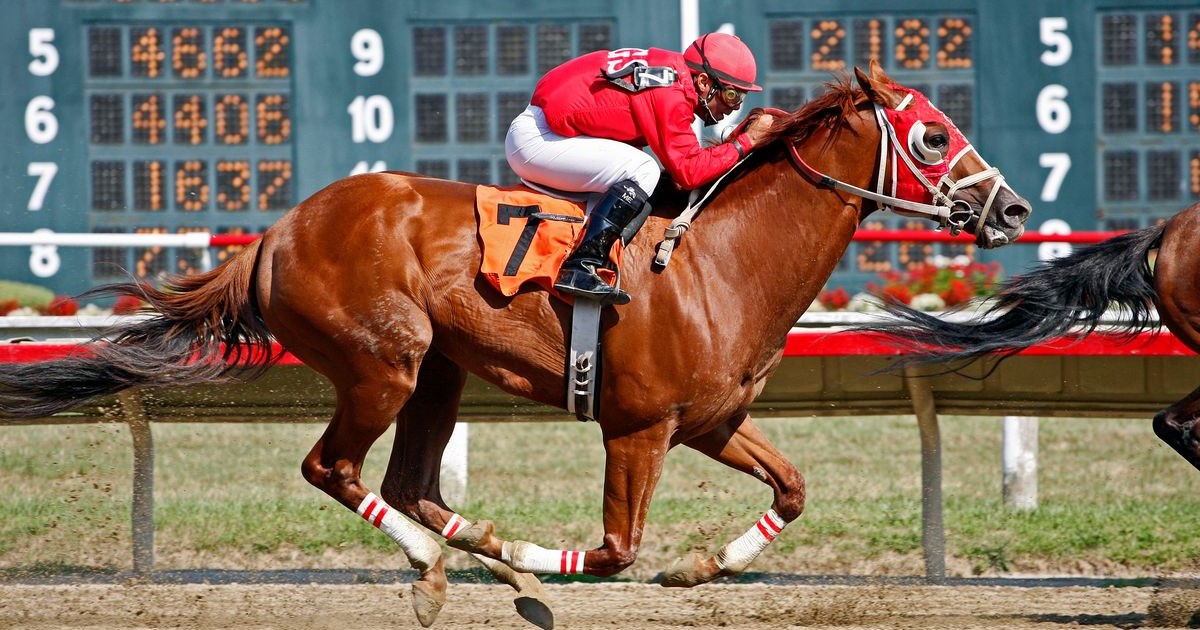
Horse by Geraldine Brooks, published by Viking in June 2022 and winner of the 2023 Anisfield-Wolf Book Award for fiction, braids several storylines around one real animal: Lexington, the most famous American racehorse of the nineteenth century. Lexington was foaled in 1850 at Dr. Elisha Warfield's Kentucky farm, first raced under the name Darley, set a four mile record in New Orleans in 1855 that made him a national sensation, went blind, and became a record setting sire whose skeleton ended up at the Smithsonian. Around that true spine Brooks builds an enslaved groom named Jarret, a traveling horse painter, a twentieth century New York gallery owner who kept one plain portrait of the horse, and two researchers in present day Washington who pull the skeleton out of a museum attic. This guide sequences the meeting in three movements: Jarret and the colt, the painting and the skeleton, and the ending, with spoilers held behind a marker for the final movement.
How to Use This Guide
This is a long, layered novel, so use the refresher early and keep returning to it; members will lose the strands without help, and half of every good argument here is about which strand a claim belongs to. The first movement covers Jarret, his father, and the racing world of the 1850s, and is safe for readers a third of the way in. The second movement takes up the painter, the gallerist, and the modern researchers, and assumes the middle chapters. The third movement, behind the spoiler marker, handles the ending's death and its questions about memorial and debt. A practical tip: because Brooks mixes real and invented figures, the leader should say once, at the start, which people in the refresher are historical and which are hers, so the table argues about the right things.
Who Is Who: A Two Minute Refresher
Jarret is the enslaved groom at the novel's heart, invented by Brooks from a single line in the historical record about a lost painting. He is present at the colt's birth, grows up alongside the horse, and is sold along with him, as property with property. Lexington is the real bay colt, foaled at Warfield's farm, first raced as Darley, conqueror of his great rival Lecomte, and later a blind stallion whose stud record outran his racing one. Harry Lewis, Jarret's father in the novel, was a real, formerly enslaved trainer, respected across the racing world yet forced to watch the colt run in Warfield's name and colors. Thomas J. Scott is the real itinerant painter of Lexington, whose diary chapters follow a Northerner with abolitionist sympathies who enjoys Southern comfort more than he admits. Martha Jackson is the real New York gallerist of bold modern art who nevertheless kept one old, plain portrait of a racehorse among her daring collection. Theo Northam is Brooks's invented Nigerian American art history student, who rescues that portrait from a neighbor's free pile in present day Washington. Jess is her invented Australian osteologist at the Smithsonian, who finds Lexington's skeleton in storage and starts asking who he was.
Movement One: Jarret and the Colt
- Jarret is there when the foal is born and grows up with him, boy and horse raised in the same world. What does that bond give Jarret that the people who own him cannot give or take, and what does it cost him to love something he can be sold away from?
- Harry Lewis is free, skilled, and respected across state lines, yet the colt he trains runs in Warfield's name and colors. What does that arrangement teach about the exact limits placed on a Black man's freedom in that Kentucky, however celebrated his hands?
- Jarret is sold along with the horse, transferred like part of the tack. How does Brooks show what that means, in practice and in Jarret's inner accounting, without letting him become only a victim for the reader to pity?
- The New Orleans racing world of big purses, heavy betting, and the great match against Lecomte is glamorous and brutal at once. Which details of track, crowd, and money stayed with you, and what do they reveal about the America buying and selling both horse and groom?
Movement Two: The Painting and the Skeleton
- Scott's chapters arrive as diary entries, private and self justifying. What does that form let Brooks show about a man who believes he stands above enslaving others while eating well from its comforts, and where does the diary convict him in his own words?
- Scott and Jarret cross paths again and again across the years, painter and groom circling the same horse. What changes between them over that long acquaintance, and what, given the world they live in, never can?
- Martha Jackson deals in daring modern art, yet she keeps an old, plain portrait of a racehorse, and after her death it travels toward the Smithsonian with her bequest. Why does that painting matter so much to her, and what does her keeping it say about how people actually curate their own pasts?
- Theo studies the Black horsemen painted into the corners of sporting pictures, while Jess reads the past in bones. How do their two ways of looking, at images and at skeletons, complete each other, and where do they disagree about what counts as evidence?
Movement Three: The Ending
Spoiler marker: everything past this line assumes the ending, so anyone protecting the last chapters should stop here and take the closing ritual instead.
- Theo is killed by a police officer who misreads the scene as he stops to help an injured woman. Did that turn feel earned by everything the novel built before it, or imposed on the book from the headlines, and what in the earlier chapters decides your answer?
- After Theo's death, Jess makes sure the painting reaches the Lexington exhibition with his name attached to its story. Is that enough of a memorial, and what else, realistically, could she have done inside the institutions the novel shows us?
- The novel closes with Jess heading home to Australia and imagining Lexington running free. Why end on the horse rather than on the people, and does that final image comfort the reader or accuse us?
- Brooks found only a single line about the real Jarret in the record and built his life from the documented lives of real Black horsemen. What do we owe people whom history recorded only in passing, and does a novel like this one pay that debt or merely acknowledge it?
Closing Ritual
End with names. Ask each member to name one person from the novel, historical or invented, whom history nearly lost, and to say in one sentence what the book restored to them: a skill, a love, a grievance, a name itself. Then ask the table who in our own time is being recorded the way Jarret was recorded, in a single line, and let one or two answers stand without debate. The quiet after that is the correct ending for this particular book.
If Your Club Liked This One
Seabiscuit by Laura Hillenbrand. A nonfiction account of an unlikely racehorse and the men around him, written with a novelist's pace. It pairs with Brooks on racing, reinvention, and the American talent for myth making around a horse.
The Eighty-Dollar Champion by Elizabeth Letts. The true story of Snowman, a plow horse bought off a slaughter truck who became a champion jumper. Read it next if your table loved the bond between a written off horse and the person who believed in him.
Cloud Cuckoo Land by Anthony Doerr. Stories braided across centuries around one fragile text and the people who carry it. It matches Horse in structure and in its conviction that what survives of the past arrives by accident and devotion in equal measure.
Themes to Keep in Play
Erasure and recovery. A groom recorded in one line, a skeleton labeled with a single word, Black horsemen cropped to the corners of paintings: the novel's engine is what the record kept and what it threw away. Keep asking who did the keeping.
Skill that cannot be owned. Jarret's and Harry's knowledge of horses is the finest in the book and the least rewarded by its world. Track how often mastery and credit part company, in every century the novel visits.
The horse as witness. Lexington outlives owners, painters, and systems, carrying each era's meaning without choosing any of it. When discussion stalls, ask what the horse has seen by now that the people have not.
Running the Meeting: Timing and Trouble Spots
This book wants two full hours. Budget ten minutes for the refresher, with the real versus invented distinction stated plainly, thirty minutes for Jarret and the colt, and thirty for the painting and the skeleton. Break, then give the ending thirty minutes and the ritual ten. Trouble spots: first, strand confusion is guaranteed; when a claim floats free, ask which century it belongs to before debating it. Second, the modern strand invites discussion of current events alongside the novel; both are fair here, and the leader should let them inform each other without letting the news swallow the book. Third, members may feel the racing detail is homework. Point them to the match race against Lecomte and ask what the betting crowd understood about the horse that his owners never did.
One Line in the Record, in One Paragraph for the Leader
Brooks has explained that Jarret began as a single line in a dealer's description of a lost painting of Lexington, a line noting the groom who held the horse. Everything else about him, his father, his knowledge, his losses, is built from the documented record of real enslaved and free Black horsemen whose skill ran the nineteenth century turf and whose names the turf mostly failed to keep. Leaders should give the table that fact before the third movement, because it transforms the last question of the evening: the novel is not decorating history, it is demonstrating, in its own method, exactly the recovery it describes, and members deserve to judge it as an act of repair and not only as a story. The same discipline runs through the modern strand: Theo's work on sporting art begins from fragments and corners, from the figures earlier viewers were trained not to see, and Jess's osteology begins from a storage label carrying a single word. Brooks gives both of her moderns the groom's archival condition to work against, which is why their meeting feels less like romance machinery than like two repair crews arriving at the same ruin from different doors. Leaders who name that parallel early will find the second movement's evidence argument running itself. It is also the kindest way to introduce the ending, where repair is all anyone is finally offered.
Scene Anchors: Five Pages to Argue From
The foaling. Jarret is present at the colt's birth, and the book's central bond is set before either of them has a say in it. Anchor every claim about what the horse means to him in this beginning.
The name on the entry. The colt runs in Warfield's colors while Harry Lewis's training does the winning. It is the novel's whole argument about credit compressed into one racing formality.
The blind stallion. Lexington's eyesight fails and Jarret's care changes register, from campaigning a champion to tending a dependent. Keep this in reach when the table discusses what devotion looks like without an audience.
The free pile. Theo pulls the portrait out of a neighbor's discards in present day Washington. The scene rhymes with every earlier act of disposal in the book, and the table should be made to hear the rhyme.
The attic skeleton. Jess finds the bones of the most famous horse in America stored and labeled with a single word. It is the recovery plot in one image, and the second movement's best starting point.
One Question for the Whole Evening
If the room needs a spine, ask this: who in this novel gets remembered correctly, and by whom, and at what price? Make every member answer with a name and a keeper of that name, from Warfield's record books to Jess's exhibition label. The pattern in the answers, who keeps and who is kept, is the novel's verdict on its three centuries.
More book club guides
Frequently asked questions
Is Horse by Geraldine Brooks based on a true story?
Its spine is true. Lexington was a real champion, foaled in Kentucky in 1850, whose skeleton rests at the Smithsonian, and figures like trainer Harry Lewis and painter Thomas J. Scott were real. Jarret, Theo, and Jess are Brooks's inventions built around the record.
What award did Horse win?
Horse won the Anisfield-Wolf Book Award for fiction in 2023, an award that honors books contributing to the understanding of racism and human diversity. It was published by Viking in June 2022.
Do I need to know about horse racing to enjoy Horse?
No. Brooks explains the racing world as she goes, and the novel's real subjects are art, science, memory, and who gets credited. The match race against Lecomte is written to carry any reader.
Does this guide spoil the ending of Horse?
Only the third movement does, behind a clear spoiler marker, and it concerns the modern strand's climax and the closing image. The earlier movements stay with the colt, the painting, and the skeleton.
Is Horse a good book club pick?
It is an outstanding one for clubs that like big, braided historical novels. Expect the richest arguments about erasure, credit, and what the living owe the nearly forgotten, plus at least one member who came for the horse and stayed for the groom.