Go as a River by Shelley Read is a debut novel, published by Spiegel & Grau in February 2023, and it carries a whole valley's worth of loss inside one woman's life. Victoria Nash is seventeen when the book opens, keeping house on her family's peach farm in Iola, Colorado, for her father, her brother Seth, and her uncle Og, in a house emptied by the car accident that killed her mother. A chance meeting with Wilson Moon, a young drifter passing through town, becomes a brief and total love, and its violent end sends Victoria into the wilderness pregnant and alone, and then into decades of consequence that reach a son she cannot raise and a town the government will drown behind a reservoir. This guide sequences the meeting in three movements: the orchard and Wil, the wilderness and the return, and the ending, with spoilers held behind a marker for the final movement only.
How to Use This Guide
This is a book members feel in the body, so give the feelings somewhere useful to go. The first movement covers the orchard, the Nash household, and Wil, and it is safe once readers are a third of the way in. The second movement takes up the flight into the wilderness, Ruby-Alice, and the return, and assumes the middle of the book. The third movement, behind the spoiler marker, handles the murder's responsibility, the baby left in a stranger's car, and the drowning of Iola. The refresher below untangles the two families, the Nash household and the adoptive family who raise Lukas, because the names cross generations and members will lose the thread without it.
Who Is Who: A Two Minute Refresher
Victoria Nash, called Torie, narrates her own life from inside it: motherless at twelve, running a household at seventeen, and formed by the two facts she can never say aloud in Iola, whom she loved and what she did with their child. Wilson Moon, called Wil, is the young Native American drifter whose grandfather taught him the book's title wisdom, to go as a river, finding the way around what cannot be moved. Seth Nash, her younger brother, is closest to her in age and furthest in temper, the family's anger made flesh. Mr. Nash, her father, runs the farm and orchard and for years sees his daughter the way he sees the house itself, as something that simply functions. Ogden, called Og, is her uncle, home from the war in a wheelchair, carrying grief that comes out as fury. Ruby-Alice Akers is the older neighbor who does not speak and who shelters Victoria at her lowest point. Inga is the stranger who finds Victoria's baby in her car and raises him as her own. Lukas is Victoria and Wil's son, raised by Inga and Paul alongside their son Max, as if a twin. Zelda Cooper is Victoria's close friend, the one person in Iola who keeps asking questions.
Movement One: The Orchard and Wil
- Victoria has spent her whole life inside one small valley, while Wil has drifted across the country and says that no land has corners. How does that difference in how each of them inhabits place shape what each one wants from the other?
- Victoria does not know Wil is Native American until she hears a slur used in town, and she realizes her schooling taught her only stories of violence about his people. What does that kind of teaching do to a town over generations, and where do you see its effects before anything violent happens on the page?
- The Nash household shares one tragedy, the accident that killed Victoria's mother, yet her father, Seth, and Og each respond differently, while Victoria keeps the house and farm running around them. Why is she the one who can move forward, and what does that forward motion cost her?
- Wil arrives with a past that reaches back to the boarding schools, yet Read gives him less interior history than she gives the Nash family. Is that restraint a protection, a limitation, or a deliberate mirror of what Iola allows itself to know about him?
Movement Two: The Wilderness and the Return
- Pregnant, grieving, and alone, Victoria flees into the wilderness, and among the sounds of the forest she finds she has never been less afraid. What does the wild give her that Iola, her family, and the orchard never could?
- Ruby-Alice carries a bad reputation in town and does not speak, yet she is the person who washes, feeds, and steadies Victoria before her return. How did your reading of Ruby-Alice change across the book, and what wrong assumptions does the town make about her, Wil, and later Lukas in the same way?
- Victoria believes her father sees her as a fixture of the house, and she signs her farewell note with her full name, Victoria Nash, rather than Torie. What does that signature claim, and how does her relationship with her father change after she comes home?
- Inga can give Lukas everything Victoria cannot, safety, legitimacy, and an ordinary childhood, yet the two women work as parallels as much as contrasts. Where does Inga's love begin to shade into fear as Lukas grows and questions gather around where he came from?
Movement Three: The Ending
Spoiler marker: everything past this line assumes the ending, so anyone protecting the last chapters should stop here and take the closing ritual instead.
- Wil's murder is presented as the culmination of the racism he met all his life. Whom does the novel finally hold responsible: the men who did it, the town that taught Victoria her first lessons about people like Wil, or a wider history that runs through the boarding schools and beyond the valley?
- Victoria leaves her baby in a stranger's car in a clearing and walks away. Was that abandonment, rescue, or a single act that has to be called both? Does the life Inga's family gives Lukas change your verdict, or only soften it?
- Victoria is the first landowner to sell to the government for the dam, and her neighbors call it betrayal. Zelda compares the drowning of Iola to the forced removal of the Ute people from this same valley. Are the two honestly comparable? Argue both sides before the table settles.
- Rather than let the orchard drown, Victoria transplants the trees to Paonia, and she lies to Seth to do it. Was saving the trees a purpose, an apology, or a kind of theft, and how do you read what happens afterward for Victoria, Inga, Zelda, and Lukas?
Closing Ritual
Close with the river. Ask each member to name one thing in their own life they went around, the way water goes around stone, rather than through, and one thing they eventually had to go through. One sentence each, no commentary from the table, and let the answers accumulate like current. End by reading the title aloud together, once, and letting that be the last word of the meeting.
If Your Club Liked This One
Where the Crawdads Sing by Delia Owens. A girl raises herself in a marsh, the natural world becomes her family, and a town's judgment closes in. Clubs that loved Victoria's wilderness chapters will recognize the weather of this book immediately.
The Four Winds by Kristin Hannah. A woman holds a family together through drought, dust, and displacement, measuring love in endurance. It pairs with Read's novel on land, mothers, and the price of staying versus leaving.
This Tender Land by William Kent Krueger. Orphaned boys take a canoe down a river in the 1930s, fleeing cruelty and finding a country. Read it next if your table kept returning to the title's advice about how a life finds its course.
Themes to Keep in Play
Going as a river. Wil's grandfather's teaching is the book's operating instruction, and Victoria applies it to love, grief, secrecy, and survival. Keep testing each of her choices against it: is this flowing, or is this surrender?
What a town teaches. Iola's lessons about race, respectability, and whose children count are delivered quietly and early. When the table debates individual villains, widen the lens back to the curriculum.
Mothers and substitutes. Victoria loses a mother, becomes one in hiding, and hands her son to a stranger who becomes one in fact. The book keeps asking what makes a mother, and your discussion should keep asking it too.
Running the Meeting: Timing and Trouble Spots
Plan ninety minutes to two hours. Use ten minutes for the refresher, since the two families confuse everyone, then twenty five minutes on the orchard movement and thirty on the wilderness and the return. Break before the spoiler marker, and give the ending a full thirty minutes, because the dam question and the baby question both deserve real argument. Close with ten minutes for the ritual. Trouble spots: first, members may judge Victoria's choice in the clearing so fast that the meeting hardens in the first hour; park verdicts until the third movement and discuss circumstances first. Second, the Ute comparison in question eleven can heat up; insist on evidence from the text on both sides. Third, Seth polarizes rooms. Do not let him become the evening's only villain, because the book is careful to show what made him.
The Real Valley Behind the Novel, in One Paragraph for the Leader
Read grew up in Colorado's Gunnison Valley, and the novel's geography is real even where its people are invented: Iola was an actual town, and it was inundated when the Blue Mesa Reservoir was created in the 1960s, an event the novel builds toward from its first pages. The valley's peach growing is real too, centered on the North Fork country around Paonia, where Victoria transplants her trees, and orchards still operate in that high valley today. The Gunnison River she follows was dammed as part of a federal reclamation project, and the reservoir that covers Iola is now a working recreation area where people fish and boat over the townsite. Leaders do not need to lecture on any of this, but one sentence of it at the start of the third movement grounds the dam argument: the drowning of Iola is not a novelist's invention but a thing that happened to a real place, which is exactly why Zelda's comparison carries the charge it does. One more grounding fact helps the room: the reservoir took years to fill, and former residents watched the water rise slowly over places they had lived, a slow drowning rather than a sudden one. Victoria's race against that timetable, season by season, is drawn from the real tempo of the event, and members who grasp the slowness argue about her choices with noticeably more sympathy. The leader can offer that tempo fact in a single breath before question eleven.
Scene Anchors: Five Pages to Argue From
The meeting in town. Victoria encounters Wil by chance, a stranger with no place in Iola's order, and the book's whole tragedy is contained in how little room the town has for him.
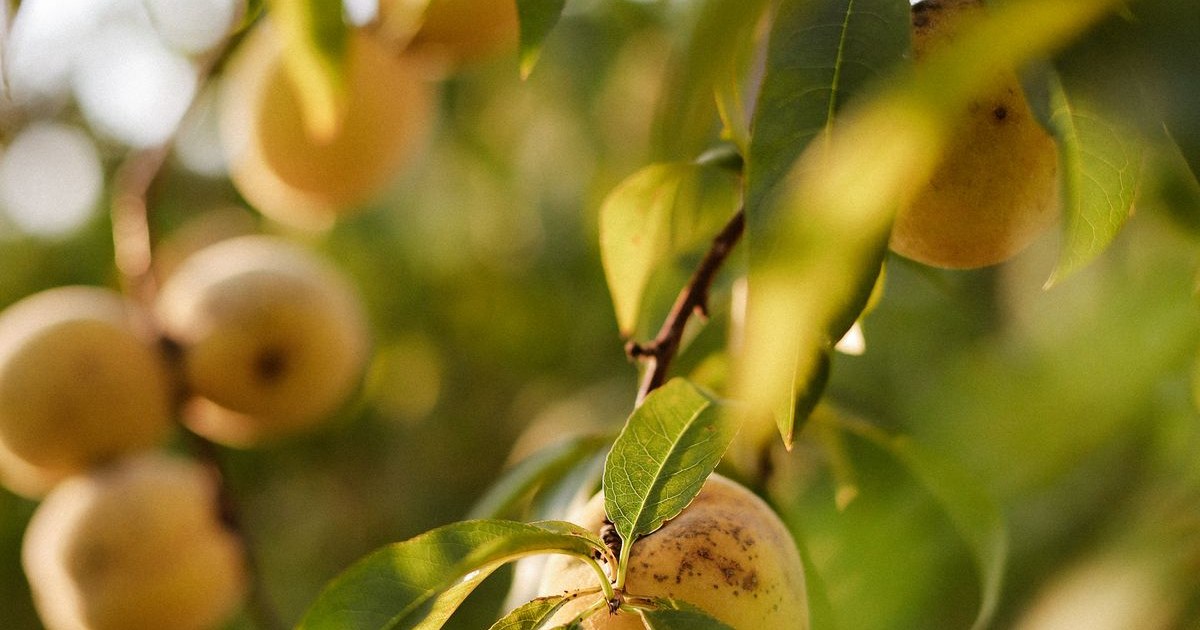
The orchard in season. The Nash peaches thrive where peaches should not, in a high, dry valley. Use these scenes whenever the table debates whether the orchard mirrors Victoria's own improbable endurance.
The clearing. Victoria leaves the baby in a stranger's car. Keep the details of this scene in front of the group during question ten; verdicts soften or harden on exactly what she did and did not do.
The return home. Victoria comes back to the house she fled and signs her name in full. Anchor the father discussion here, in what has changed in the household's balance of power.
The transplanting. The orchard is dug up and moved to Paonia ahead of the water. It is the book's clearest picture of her philosophy: what cannot be saved in place may still be saved by moving.
One Question for the Whole Evening
If the discussion thins out, put the title on trial: what did going as a river actually require of Victoria, each separate time she did it, and is there one moment where the river advice fails her and she has to do the opposite? Have every member name a scene before anyone generalizes. The list the table builds is the answer.
More book club guides
Frequently asked questions
What is Go as a River about?
It is the story of Victoria Nash, a Colorado farm girl whose brief love with a young drifter named Wilson Moon ends in violence, leaving her to survive a hidden pregnancy, give up her son, and outlast the drowning of her hometown behind a government reservoir.
Is Go as a River based on a true story?
Its people are invented, but its ground is real. Iola, Colorado, was genuinely inundated by the Blue Mesa Reservoir in the 1960s, and author Shelley Read grew up in the Gunnison Valley, writing from inside the landscape the novel describes.
Is Go as a River Shelley Read's first novel?
Yes. Published by Spiegel & Grau in 2023, it is her debut, and it became an international success, the kind of word of mouth novel that book clubs pass hand to hand for years.
Does this guide spoil the ending of Go as a River?
Only the third movement does, and it sits behind a clear spoiler marker. The orchard and wilderness movements, the refresher, and the closing ritual are all safe for members still reading.
Is Go as a River a good book club pick?
It is an excellent one, especially for clubs that like historical fiction with moral weight. Expect strong feeling about the clearing scene, a real argument about the dam, and a closing conversation about what endurance actually costs.