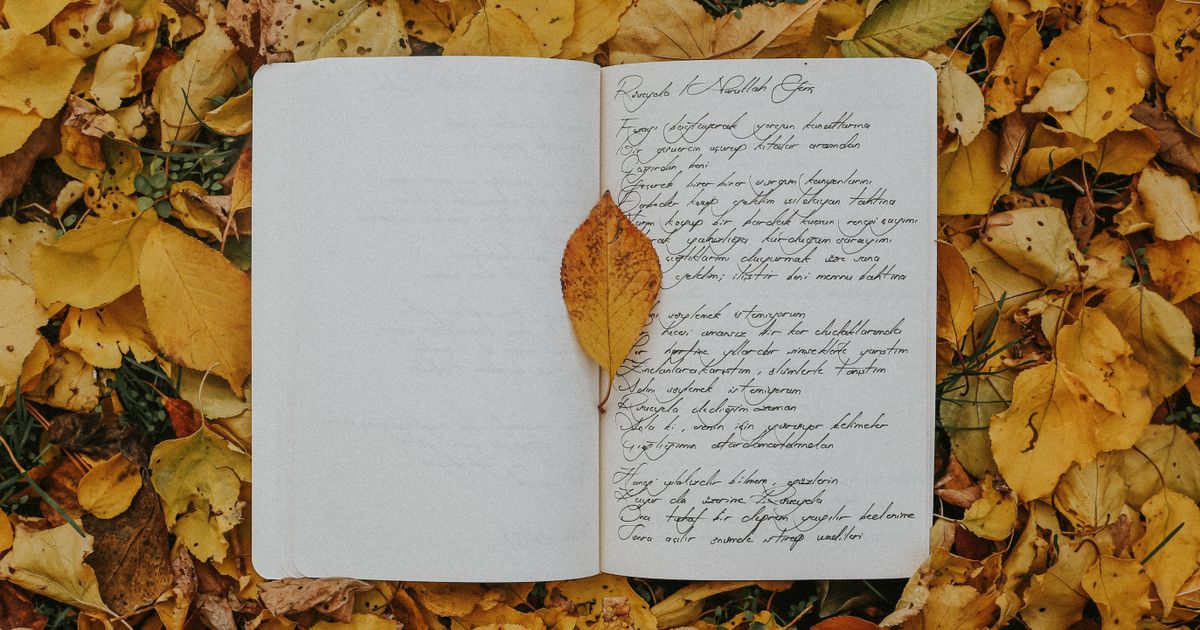
Poetry frightens off more readers in their twenties than any other kind of book, usually because school taught it as a puzzle with one right answer hidden inside. Read in your twenties, on your own terms, poetry is something else entirely: the most concentrated company available for exactly the experiences this decade specializes in, first love and its collapse, leaving home, becoming someone at work, losing people, finding a voice. This page groups collections by what you are living through, love, heartbreak and healing, leaving home, and finding a voice, the way this site's excerpt promises, and gives a low pressure starter path for readers new to poetry, because the right first collection matters more than any reading list's completeness. Page counts, where the table gives them, come from the publishers of the editions named.
For first love, and for love that is staying
Start where the feeling is good. Call Us What We Carry by Amanda Gorman, published by Viking, holds the decade's public voice at its most generous: poems about history, grief, and hope that assume a young reader intends to matter in the world. For love poetry with a longer memory, Devotions by Mary Oliver, published by Penguin Press, is the collection readers keep for life, Oliver's own selection from her work, full of attention to the natural world and instructions for living in it that never once raise their voice. Oliver is also this page's standing answer to the reader who thinks she does not like poetry: give her ten Oliver poems before accepting the verdict.
For heartbreak and healing
Milk and Honey by Rupi Kaur, published by Andrews McMeel, is the collection an entire generation actually read after breakups, whatever critics made of it, and its four movements, the hurting, the loving, the breaking, the healing, map the exact arc a broken heart needs company through. Its plainness is the point: at 3 a.m. nobody needs difficulty. The Sun and Her Flowers, Kaur's second collection, continues the same work at greater length. For a sterner medicine, the selected poems of Mary Oliver serve here too, because healing in Oliver is not distraction but attention, the discipline of finding the world still there. Readers who want their heartbreak poetry with more formal muscle should be handed the contemporary sonnet and lyric writers their local bookseller champions, and this page cheerfully defers to that conversation, because heartbreak is the most personal shelf in poetry and a known voice in a real shop beats a list.
For leaving home
Home Body by Rupi Kaur, published by Simon and Schuster, turns from love outward to the self, the body, the mind, and the community, written from inside the years when a person is furnishing an inner life as literally as a first flat. For the homesick specifically, the Irish and Scottish lyric traditions, carried in any good general anthology, have made an art of the leaving and the looking back, and a twenties reader with emigration in her own family will find her exact weather there. The fuller leaving home shelf, Vuong, Chen, and Limón, gets its own section below, because departure deserves more than a paragraph in the decade it defines most.
For finding a voice
The voice shelf is where poetry stops being company and becomes equipment. Gorman belongs here as well as in the love section, since her subject is so often speech itself, who gets heard and in what cadence. Add the performance and page poets your city actually stages: the twenties are the decade to hear poetry aloud, in rooms, because a poem heard in a poet's own voice teaches the ear what silent reading takes months to learn. Keep a notebook beside these collections. Finding a voice, in practice, means copying lines that strike you, imitating forms badly on purpose, and noticing which subjects make your own sentences lengthen. The collections are the teachers; the notebook is the tuition being paid.
The picks at a glance
| Collection | Poet | For the reader who is | Note |
|---|
| Call Us What We Carry | Amanda Gorman | Wanting hope with a public voice | Poems of history, grief, and resolve |
| Devotions | Mary Oliver | New to poetry, or returning | The poet's own selection, a lifetime in one book |
| Milk and Honey | Rupi Kaur | In the breaking stage | Four movements ending in healing |
| The Sun and Her Flowers | Rupi Kaur | Healing, slowly | The second collection, growth after loss |
| Home Body | Rupi Kaur | Furnishing a self | Body, mind, community, in plain speech |
The low pressure starter path for new poetry readers
Begin with permission to read badly, by every school standard: skip, dip, read one poem at breakfast, abandon a collection without finishing it, and never look anything up until a poem has first been allowed to work unexplained. Read one poet at a time for a week rather than anthology grazing, because a voice needs a few poems to become familiar and familiarity is where poetry's pleasure lives. Read aloud when a poem resists; poetry is a sound art wearing print, and the mouth understands lines the eye stalls on. Keep the collection where life happens, by the kettle, in the bag, beside the bed, since poetry's unit is the minute, not the hour, and a decade as busy as the twenties will give poetry minutes gladly and hours rarely. After a month of this, most new readers discover they have a favourite poem, which is the whole game: one poem truly owned teaches more about reading poetry than any guide, including this one.
For leaving home, properly stocked
The leaving home shelf deserves better stocking than a gesture, because departure is the decade's defining event and its poets are superb. Night Sky with Exit Wounds by Ocean Vuong, published by Copper Canyon Press, is the essential collection of the immigrant leaving: a son's account of war's inheritance, a mother's language, and an America arrived at rather than born into, written in images that readers carry for years. When I Grow Up I Want to Be a List of Further Possibilities by Chen Chen, published by BOA Editions, gives the leaving its comedy and its tenderness together, family, queerness, and the strange new cities of adult life handled with a wit that makes the sad poems sadder by contrast. The Carrying by Ada Limón, published by Milkweed Editions, belongs to the decade's second departure, the leaving of youth itself: fertility, grief, the body, and the natural world attended to with a clarity that steadies readers precisely because it does not flinch. A twenties reader furnishing a first flat should shelve these three beside the kettle with Kaur and Oliver, and the five together cover nearly every weather the decade produces.
Reading poetry with other people: the decade's shortcut
Solo reading builds the habit, but poetry in the twenties accelerates in company, and the company is easy to find. A poetry book club needs only three members and one rule, that each person reads their chosen poem aloud before anyone discusses it, because a poem heard in a friend's voice acquires meanings silent reading misses, and the discussion afterward has a text in common rather than three private readings. Open mics and library readings serve the same function for the unattached: go as audience, buy the slim collection of the reader who moved you, and let local voices, writing about your own city's weather, do what no national list can. There is also the oldest technology of all, memorization, due a revival in this decade specifically: one poem learned by heart each year of the twenties leaves a person at thirty with ten permanent companions, available in queues, on flights, in hospital corridors, at all the moments when a phone is dead or forbidden and a mind needs furnished company. Choose the poems from the collections on this page that struck you hardest, learn them the slow way, a line at a time at the kettle, and notice, within a year, which lines your thinking has begun to borrow.
Keeping the habit when the decade gets busy
The twenties run short of hours in their middle years, careers and relationships and rent all bidding, and poetry survives the squeeze better than any other reading precisely because its unit is small. Defend the habit with placement rather than willpower: a collection lives by the kettle, one lives in the work bag, one lives beside the bed, and each is read in the minutes those places naturally produce. Rotate the stock seasonally, the way this page grouped it, love in the spring of a relationship, Kaur in the winter after one, Oliver in any month when the world needs reattending to, Vuong when home feels far. Give collections as gifts and ask for them, since a poetry shelf built partly by friends carries their handwriting in the flyleaves and reads, years later, like a record of who loved you in the decade. And reread your first collections at the decade's end. The poems will not have changed. The reader will have, measurably, and the distance between the person who first underlined a line and the person rereading it is the closest thing the twenties offer to a portrait of themselves, which is, in the end, what all this reading was for.
A note on price, libraries, and owning poetry
Poetry collections are slim and their prices are not, so a practical word belongs on this page. The public library is the poetry reader's patron: collections circulate lightly, requests are usually filled fast, and interlibrary systems will fetch the small press titles, Vuong's and Chen's among them, that bookshops rarely stock. Own selectively, the collections you reread, because poetry is the most rereadable of literatures and the owned copy accumulates your own marginal history, dates, underlinings, the coffee ring of a particular heartbreak, until it becomes an autobiography in someone else's words. Buy those keepers from real bookshops where you can, since poetry publishing survives on exactly such sales, and a twenties reader who buys three collections a year is, without exaggeration, a patron of the art she is learning to love. The shelf that results, part borrowed, part owned, part gifted, is the decade's truest self portrait, and it fits, beautifully, in a single row.
Poets for the working week: one more shelf
The decade's least discussed poetry need is the working week's: poems for the commute, the lunch break, the bad meeting's aftermath. Keep the shelf practical. Limón's clarity steadies a lunch hour. Oliver's attention resets a commute better than any feed. Chen's wit survives being read in fragments between stations, a real design consideration for poems that must live in interrupted minutes. Build a small rotation on the phone as well as the shelf, three poems screenshotted or saved where the scrolling used to go, because the twenties' reading happens where the attention already is, and a poem that intercepts a scroll has done a full day's work. This is not a debased form of the art. Poetry began as a portable, memorized, spoken thing, carried in the head through working days, and the phone in the pocket is only its newest binding.
A way in: the one poem a day practice
Collections intimidate new readers less when the unit shrinks from the book to the poem. The practice that carries most beginners through their first three collections is almost embarrassingly small: one poem a day, read twice, the second time aloud. The first pass is for sense, the second for sound, and poetry is the one literary form where the sound is not decoration but half the meaning; a line that looked flat on the page often stands up the moment it is spoken. Keep the book where the day already has a pause built in, beside the kettle or on the pillow, because a habit attached to an existing ritual survives while a habit scheduled in the abstract does not.
Marking the book is allowed and encouraged. A pencil tick beside a poem that landed, a dog eared page for the one to reread at the month's end, a note in the margin when a line describes your life with uncomfortable accuracy: these small marks convert a borrowed-feeling paperback into a personal anthology. After a month, reread only the marked poems. That shorter, self selected collection is the real book you were looking for, and it tells you which poet to follow next more honestly than any list, including this one. Readers who finish the month with even five marked poems have done the thing the twenties are for: they have started building a taste that is theirs.
More reading lists
Frequently asked questions
I have never read poetry. Where do I honestly start?
With Mary Oliver's Devotions or Rupi Kaur's Milk and Honey, depending on your weather: Oliver for attention and calm, Kaur for heartbreak in plain speech. Read one poem at a time, aloud when one resists, and skip freely.
Do poetry collections need to be read in order?
Most contemporary collections are sequenced with intent, Kaur's four movements are the famous case, but no harm comes from dipping. Read in order when a collection asks for it, and dip without guilt everywhere else.
Is Milk and Honey worth reading despite the criticism?
Yes. It is the collection a generation actually turned to after breakups, and its plain speech is a deliberate craft. Readers who start there often travel onward to Oliver, Gorman, and beyond, which is what a starter collection is for.
How do I find poets beyond this list?
Hear poetry aloud: your city's readings, open mics, and staged slams teach the ear faster than any list. Then ask a real bookseller for the next step from the poet you loved, a conversation this page happily defers to.
How much poetry should I read at once?
A poem or two at a sitting is a complete session. Poetry is concentrated; its natural unit is the minute. Keep a collection where life happens and let the habit accumulate across the decade.