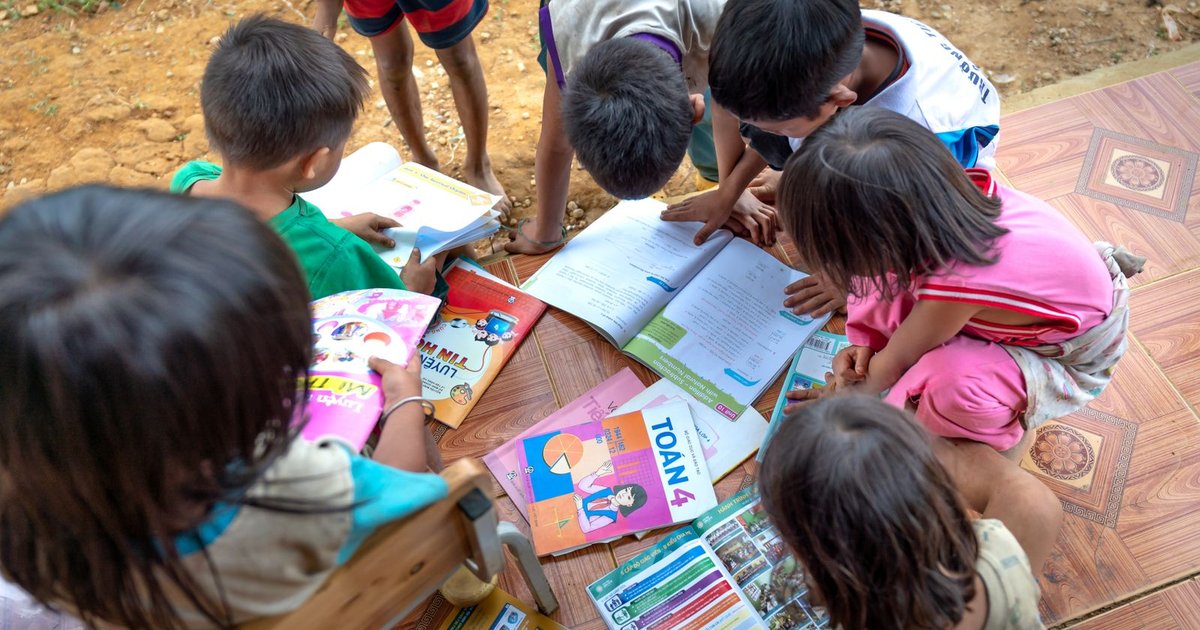
Third grade is the hinge year of childhood reading. The texts stop being mostly pictures, the classroom shifts from learning to read toward reading to learn, and a child who leaves third grade as a confident chapter book reader carries that confidence into every subject that follows. The shelves, though, do not sort themselves by what a third grader actually needs: books pitched at the grade range from slim verse novels to five hundred page fantasies. This guide sorts chapter books for third graders into three bands by reading confidence, building up, right on level, and ready to stretch, with page counts from the publishers, so you can match the book to the reader you have rather than the reader the cover imagines.
The three bands at a glance
| Title | Author | Year | Pages | Band |
|---|
| Mercy Watson to the Rescue | Kate DiCamillo | 2005 | 80 | Building confidence |
| Dragon Masters: Rise of the Earth Dragon | Tracey West | 2014 | 90 | Building confidence |
| Zoey and Sassafras: Dragons and Marshmallows | Asia Citro | 2017 | 96 | Building confidence |
| The Mouse and the Motorcycle | Beverly Cleary | 1965 | 158 | Right on level |
| Charlotte's Web | E. B. White | 1952 | 184 | Right on level |
| Ramona Quimby, Age 8 | Beverly Cleary | 1981 | 190 | Right on level |
| The Wild Robot | Peter Brown | 2016 | 279 | Ready to stretch |
| The One and Only Ivan | Katherine Applegate | 2012 | 336 | Ready to stretch |
Page counts are the publishers' counts for these editions: Candlewick Press for Mercy Watson to the Rescue, Scholastic's Branches line for Rise of the Earth Dragon, Innovation Press for Dragons and Marshmallows, Morrow for The Mouse and the Motorcycle and Ramona Quimby, Age 8, HarperCollins for Charlotte's Web and The One and Only Ivan, and Little, Brown for The Wild Robot. Years are first publication years.
Building confidence: shorter and highly illustrated
This band is for the third grader who still tires quickly, decodes carefully, or has decided, usually after one book too many at the wrong level, that reading is not for them. The books are real chapter books with real stories, engineered so that success arrives every few pages. Mercy Watson to the Rescue runs on a single comic engine, a pig who loves buttered toast and the chaos that follows her nose, in chapters a tired reader can finish. Rise of the Earth Dragon gives the same reader a dragon, a castle, and a destiny, in Scholastic's Branches format of short chapters and art on every spread. Dragons and Marshmallows adds a girl scientist, a notebook of hypotheses, and a baby dragon with a marshmallow problem, which quietly teaches the scientific method inside a story a seven to nine year old races through. The rule for this band: never apologize for it. Fluency is built from finished books, and a third grader who finishes ten of these has done more for their reading than one who abandons two harder ones.
Right on level: the heart of third grade
The middle band is where most third graders should live most of the year: full stories, chapters of eight to fifteen pages, illustrations thinning out, and themes with some weight. Beverly Cleary owns this band across two generations. The Mouse and the Motorcycle runs on a sound effect, "pb-b-b-b-b," that a boy discovers starts a toy motorcycle, and builds a friendship and a small rescue out of it; the fantasy is gentle and the sentences are honest. Ramona Quimby, Age 8 is the band's masterpiece and the rare book actually about being in third grade: Ramona's teacher, her family's money worries, the egg she cracks on her head, all rendered with total respect for how enormous third grade problems are from inside them. Charlotte's Web is the band's summit and the traditional first classic: a farm, a pig, a spider who writes, and a death handled with more grace than most adult novels manage. A third grader who reads Charlotte's Web alone and can talk about why Charlotte had to die is reading at the level every curriculum dreams of.
Judy Blume's Freckle Juice belongs in this band too, the tale of Andrew, who wants freckles enough to buy a recipe from Sharon for fifty cents, and Louis Sachar's Sideways Stories from Wayside School, thirty tales from a school built thirty classrooms high by accident, suits the reader who likes their chapters bite sized and their logic sideways.
Ready to stretch: first longer novels
The stretch band serves the third grader who finishes the middle band in days and asks for more. The Wild Robot keeps short chapters and Peter Brown's illustrations but builds a survival story across seasons, with real loss and a real winter, at nearly three hundred pages. The One and Only Ivan goes further in feeling rather than length alone: a gorilla narrator, chapters like poems, and a moral problem, what humans owe the animals they display, that a strong third grader can genuinely argue about. Hand these over with one support: permission to stop. A stretch book abandoned at page ninety and retried in fourth grade is a success story, not a failure, and the child who knows they may stop reads further than the child who may not.
A simple fit check
Use the five finger test honestly: open the book at random, read one page, and raise a finger for every word that stops you cold. No fingers means too easy to grow on, though fine for pleasure. Two or three fingers is the working zone. Five means shelve it for later, whatever the cover claims about grade level. Then check the things page counts hide: chapter length, because a 150 page book with five page chapters suits a new reader better than a 120 page book with twenty page chapters; white space and type size, because dense pages tire young eyes; and the end of the first chapter, because a book that hooks by page ten gets finished, and a book that does not, does not.
A third grade reading year, September to June
Teachers plan this arc instinctively; parents can borrow it. In the autumn term, the job is volume and confidence: stay in the building confidence band, let series do their work, and measure success in finished books rather than levels climbed. A child who finishes eight Mercy Watson length books by December has built more fluency than one who wrestled two novels. In the winter term, move the center of gravity to the right on level band and introduce the first classics as shared reading, Charlotte's Web read together in January becomes the book a child rereads alone in March, which is the single most reliable comprehension builder in this entire guide. In the spring term, open the stretch band and the library's free choice together: let the child browse with the five finger test as their own tool, and treat the summer list as a bridge rather than a break, because third graders who stop reading in June return to fourth grade measurably behind where they left, a slide every teacher knows and every parent can prevent with a library card and a series.
When a third grader stalls
Stalls have causes, and the causes have fixes. If the child stalls at the start of books but reads well once going, the problem is entry cost: read the first chapter aloud together, every time, until the habit of starting alone forms. If the child stalls mid book and abandons at the same page count repeatedly, the book is one band too high; step down without ceremony and let finished books rebuild the engine. If the child reads fluently but cannot say what happened, the gap is comprehension, not decoding, and the fix is talk: closed book retells, one sentence per chapter, at breakfast rather than at bedside. If the child stalls only on assigned books and devours self chosen ones, believe them; taste is information, and the shelf should bend toward it while the skills catch up. And if a child is not decoding simple text by the middle of third grade despite steady teaching, that is the moment for a proper conversation with the school, because the window where intervention is cheap and effective is exactly this year.
The reading log that actually works
Most reading logs fail because they measure minutes, and minutes are the one thing a child can produce without reading. A log that works measures books and responses instead. Keep it on paper, on the refrigerator or inside the reading book itself: one line per finished book, with the title, the band the child chose it from, and one sentence in the child's own words answering a rotating prompt, the best character, the funniest page, the part I would change, the question I still have. The sentence is the point; it is comprehension practice disguised as bookkeeping, and across a school year the lines become a record a parent can actually read with pleasure. Reward finished books and honest sentences, never minutes, and let abandoned books be logged too with the reason in the child's words, because a log that punishes honesty teaches lying, while a log that records taste teaches judgment.
More series and chapter book guides
Frequently asked questions
What are the best chapter books for 3rd graders?
For the heart of the grade, Ramona Quimby, Age 8, Charlotte's Web, and The Mouse and the Motorcycle are the proven core. For a third grader still building confidence, start with Mercy Watson, Dragon Masters, or Zoey and Sassafras. For one racing ahead, The Wild Robot and The One and Only Ivan.
How long should a 3rd grader's book be?
Most third graders thrive between 80 and 200 pages, with chapter length mattering more than the total. Confident readers stretch to 300 pages and beyond inside a series or an illustrated novel. Use the five finger test on a middle page rather than trusting the grade printed on the cover.
Is Charlotte's Web appropriate for third grade?
Yes, it is the classic third and fourth grade novel, with one consideration: Charlotte dies, and the book means it. Most third graders handle it well and many count it a formative reading experience; for a child in the middle of a bereavement, a teacher or parent may reasonably choose Ramona first and Charlotte a term later.
What if my 3rd grader only reads graphic novels?
That is reading. Graphic novels build plot memory, inference, and stamina, and many children cross from them into prose on their own schedule. Keep the shelf mixed, offer the illustrated chapter books in the building confidence band, which share the visual rhythm, and let the child's appetite lead.
Should 3rd graders read in series order?
Usually, yes at this age, because series build their worlds cumulatively and third graders take pride in sequence. Dragon Masters, Mercy Watson, and Zoey and Sassafras all reward order. The exception is the reluctant reader: any volume they will open beats the correct volume they will not.