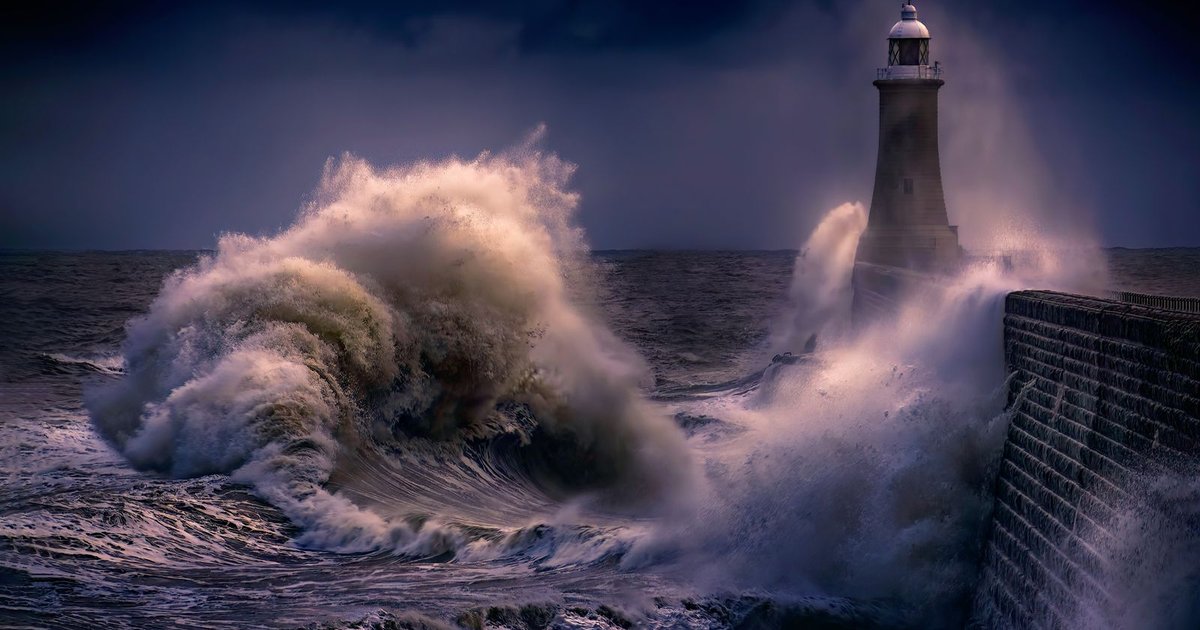
Wild Dark Shore by Charlotte McConaghy, published by Flatiron Books in 2025, sets a family at the end of the world and gives them the world's seeds to guard. The hardcover runs 320 pages. On Shearwater, a remote island near Antarctica, Dominic Salt and his three children are the last caretakers of a global seed bank as the research station closes and the sea rises around the buildings. Then a woman named Rowan washes ashore during a storm, with reasons of her own that she is not telling. The novel is a slow burn mystery wrapped inside a climate elegy, so this guide runs in three movements and keeps its reveals behind a spoiler marker. There are no model answers here. McConaghy built this book out of arguments a family has with itself, and a good meeting should have those arguments again, out loud, with better food.
About the book and its author
McConaghy arrived at this novel as the author of Migrations and Once There Were Wolves, and readers who know those books will recognize the signature: a damaged person, a wild place under threat, and a plot that tightens like a rope. What is new here is the enclosure. Her earlier novels range across continents and oceans; this one shrinks the world to a single island, a handful of buildings, and a vault, and then asks what people owe each other when there is nowhere left to walk away to. The seed bank is not set dressing. Real seed vaults exist because crop diversity is insurance against catastrophe, and the novel takes the logic of that insurance personally: every seed in the vault is a bet that the future will want something the present is busy losing. Groups should also know that the book is a Reese's Book Club pick, which is part of why so many clubs are reading it at once, and why the ending is being argued about in living rooms everywhere this year. Bring that argument to yours prepared.
How to run this meeting
Three movements, and the second one deserves the most time. Begin with the island and the family, where the group can argue about parenting, isolation, and grief without touching the reveals. Give the seed bank argument the longest stretch: it is the rare book club topic where members discover they hold strong positions they did not know they had, about triage, children, and what saving means. Announce the spoiler line out loud before the third movement. Rowan's real reasons, Hank's fate, and the ending reframe everything before them, and a member who has not finished deserves to meet those turns on the page rather than across your table. Close with the vault door exercise at the end of this guide, which reliably produces the most personal ten minutes of the night. One practical note: this novel makes people talk about their own families. A host who gently returns the group to the Salts whenever the room gets raw will keep the meeting brave without letting it bruise.
Who's who: a refresher
Dominic Salt is the father, a protector whose protection keeps shading into control, and who hears his late wife's voice in the wind off the sea. Fen is his daughter, bound to the island's seals and its wild shore, fluent in the nonhuman world in a way her family envies and worries over. Raff is his elder son, who trades his anger for music, violin and whale song, and carries more of the island's history than he says. Orly is the youngest, who hears the voices of the island's long dead animals and loves the seeds themselves most of anyone alive. Rowan is the stranger who arrives by sea, grieving and hiding why she really came to Shearwater. Hank is the seed bank's missing man, whose disappearance and decisions hang over the vault and everyone who worked in it. Claire is Dominic's late wife, present everywhere as voice, memory, and unfinished business.
First movement: the island and the family
- Shearwater is beloved and lethal in the same paragraph. How does isolation amplify everything the Salts feel, and would this family be gentler or crueler to each other anywhere else?
- Dominic's protection of his children is the book's central question in disguise. When did a decision you first accepted as care start to look like control?
- Each Salt child bonds with the nonhuman world differently: Fen with the seals, Raff with whale song and music, Orly with the seeds. What does each bond give the child that the family cannot?
- The narration rotates among the family and Rowan, and the dead are heard as voices in wind and memory. Is this a ghost story? What work does the haunting do that ordinary grief could not?
- The researchers left and the Salts stayed. What does the book suggest staying means: duty, denial, or love of a place that is disappearing?
- Rowan arrives as a classic stranger at the gate, and the family must decide what a stranger is owed on an island with no spare anything. Where did you land on what they owed her in her first days, before anyone knew her story?
Second movement: the seed bank argument
- The vault forces triage: with room and time for only some seeds, which species deserve saving? What criteria did the book make you defend: usefulness to humans, rarity, beauty, or something you had to invent on the spot?
- Rowan and Dominic hold opposite instincts about bringing children into a collapsing world. Where did your sympathy settle, and did it move as the book gave each of them a history?
- Fire, flood, storm, and thaw all strike the island across the novel. What portrait of nature does the book paint: victim, judge, or something indifferent to the categories we bring to it?
- A seed bank is a promise made by people who will not live to see it kept or broken. Who in the novel keeps promises of that size well, and who quietly rewrites them?
- The Salts are caretakers of seeds for farms and ecosystems they will never see, on an island that is itself going under. Is caretaking without a future an act of hope, of stubbornness, or of love? Does the book distinguish those?
The island as a member of the family
Pause before the spoilers and give Shearwater itself a hearing, because the group will have been treating it as scenery when the novel treats it as kin. The island feeds the Salts, endangers them, buries their dead, and keeps their secrets, and each child has negotiated a private treaty with it: Fen's is devotion, Raff's is translation into music, Orly's is communion with everything that used to live there. Dominic's treaty is the oldest and the most strained, because he chose the island for all of them and must keep choosing it as it worsens. Ask the room which treaty they understood best and which they distrusted. The answers tend to map onto how members feel about places in their own lives, the hometown kept or left, the house that raised them, and the discussion that follows is usually the warmest of the night, because everyone has a Shearwater, even if theirs has a street address and a mortgage.
Third movement: the reveals (spoilers)
Stop here if you have not finished. The questions below assume the ending.
- Hank's fate, bound up in the conflict over the seeds, reframes the vault from archive to battleground. How did it change your judgment of Dominic, and of what the seed bank had already cost this family before Rowan arrived?
- Orly goes rogue and saves the seeds he finds most beautiful and unusual rather than the crops chosen to protect humanity. Hank broke under the official criteria; Orly simply replaced them. Who was right, and what does your answer say about who should hold the keys to a vault?
- Rowan's real reasons for coming, and her growing love for the family she suspected, put her loyalties at war with each other. Did you understand her choices, and did the book?
- Rowan dies, and yet many readers call the ending hopeful. What survives her, in the family and in the seeds, and is it enough to earn that word?
- Dominic hears Claire's voice throughout, and the novel never fully settles whether the voices on this island are grief, haunting, or something the place itself does. Did you need that settled? What does the book gain by refusing?
Closing the meeting
Finish with the vault door. Ask each member: you may save ten things, books, seeds, songs, skills, recipes, from a place that will be destroyed. What makes your list, and what do your criteria say about you? McConaghy's family argues about exactly that for a whole novel, under worse weather. Your group just has better snacks, and the lists people read aloud tend to surprise the people who wrote them, which is the correct ending for a night spent with this book. Then choose the next novel while the triage mood is still in the room, and notice what the group reaches for: after this one, clubs tend to pick either a much warmer book or a much colder one, rarely anything in between.
McConaghy's earlier novels, and what they tell this one
Groups that read widely will get more from the meeting if someone can place this book in its author's short, intense line of work. Migrations follows a woman crewing a fishing boat to follow the last Arctic terns on their final migration, and it established McConaghy's method: a narrator whose damage is the engine, an animal world in collapse, and a plot that withholds the central wound until the reader is fully aboard. Once There Were Wolves brings twins to a Scottish rewilding project, where one sister's fierce protection of wolves and of her sibling escalates toward violence, and it sharpened the question her work keeps asking, what a protector owes the protected, and what protection licenses. Wild Dark Shore is the third panel of that triptych, and the most disciplined: the damaged narrator is distributed across a whole family, the animal world is present as voices and seals and seeds rather than as a single followed species, and the withheld wound belongs to the island as much as to any person in it.
That lineage gives a club two good arguments to have before the spoilers arrive. The first is about the voices. In the earlier novels, communion with animals is rendered as intuition and empathy; here it edges toward the literal, children hearing the dead, a father hearing his wife, and the group should decide whether McConaghy has crossed into the supernatural or simply stopped pretending that grief and attention are anything other than a kind of hearing. The second is about the ending's genetics: her earlier books close on images of continuance that are hard won and partial, never restorations. Members who know that pattern will read this novel's final movement differently from members who expect a thriller's clean accounting, and naming the pattern early keeps the spoiler discussion honest. Neither argument requires anyone to have read the earlier books. It requires only that the group treat the author as a person with a project, which she demonstrably is, rather than as a weather event that produced one sad island novel.
A note on the science under the story
The seed bank on Shearwater is fictional in its details and faithful in its logic, and a ten minute grounding in the real thing will make the second movement's argument sharper.
Frequently asked questions
What is Wild Dark Shore about, in one paragraph?
A widowed father and his three children are the last caretakers of a global seed bank on a remote island near Antarctica as the research station closes and the sea rises. A woman named Rowan washes ashore with a hidden purpose, and her arrival forces the family's secrets, and the vault's, into the open. It is a mystery, a family novel, and a climate elegy in one 320 page hardcover from Flatiron Books, published in 2025.
Does this guide spoil Wild Dark Shore?
Only in the third movement, behind a clearly marked warning line. The first two movements discuss the island, the family, and the seed bank argument without revealing Rowan's purpose, Hank's fate, or the ending, and the refresher names no fact a reader does not learn early.
How long is Wild Dark Shore, and how is it structured?
The Flatiron hardcover is 320 pages. The narration rotates among members of the Salt family and Rowan, in short chapters that alternate present action on the island with memory and voice, so most clubs find it a fast read despite its weighty themes.
What should our book club read after Wild Dark Shore?
Groups that loved the island and the animals usually want another novel where a wild place carries the emotional argument. Groups that argued hardest about the vault usually want another triage story, about what gets saved and who decides. Let the debate your group could not put down choose the direction for you.
Is Wild Dark Shore suitable for a mixed group of readers?
Yes, with one note. The novel contains grief, danger, and death, handled at literary rather than graphic length, and its climate themes are elegiac rather than polemical. Clubs with members who have lived through flooding or displacement should know the water is not metaphorical in this book, and that is a conversation worth having on purpose rather than by surprise.