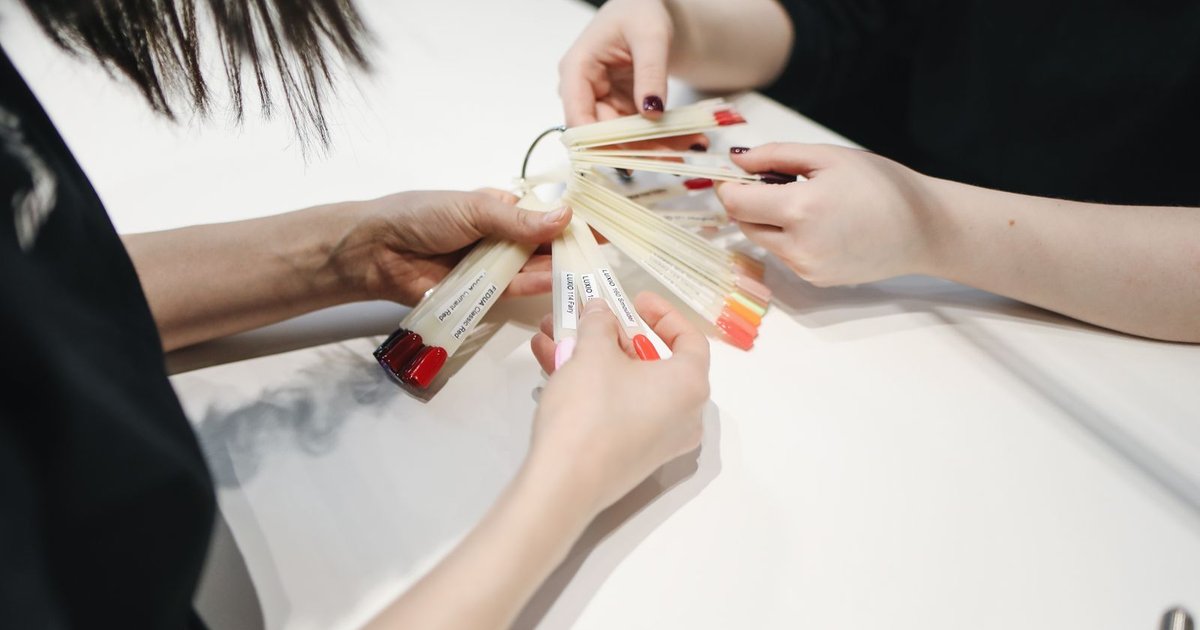
On Earth We're Briefly Gorgeous by Ocean Vuong, published by Penguin Press in June 2019, is the debut novel of a poet, and it takes the form of a letter from a son in his late twenties to his mother, a Vietnamese immigrant who works in a nail salon in Hartford, Connecticut, and who cannot read the language the letter is written in. The narrator, called Little Dog, a name his grandmother gave him in the belief that a lowly name deflects harm, excavates a family history that begins in Vietnam during the war and continues in American poverty, moving between his grandmother Lan's stories, his mother's fierce and sometimes violent love, and his first love, Trevor, a boy he meets working summers on a tobacco farm. Vuong received a MacArthur Fellowship the same year the novel appeared, and the book was longlisted for the National Book Award for Fiction. This guide sequences the meeting in three movements: the letter and the name, the household and the city, and, behind the spoiler marker, Trevor, loss, and survival. A note on method belongs up front: this is a lyric novel, and several of its most important passages should be read aloud during the meeting, because the sound of the prose is part of its evidence.
How to Use This Guide
Set the pace deliberately slowly; this book punishes skimming in discussion as much as in reading. The first movement covers the letter's premise, the naming, and the way mother and son communicate across a partial language, and it is safe for readers in the opening third. The second movement takes up Lan, the salon, the farm, and the grandfather figure Paul, and it assumes the middle chapters. The third movement, past the spoiler marker, handles Trevor, the coming out scene and its answering revelation, and the closing ode. Content deserves a sentence at the door: war trauma, family violence, and addiction all run through these pages, and the pass rule should be in force before the first question is asked.
Who Is Who: A Two Minute Refresher
Little Dog is the narrator, a poet son writing the letter, named for the least valuable creature his grandmother could think of so that evil, looking for something worth taking, would pass him by. His mother, called Rose in some accounts of the family, works long hours in a nail salon, loves her son with an intensity that includes hitting him, and carries the war in her body and her temper. Lan is his grandmother, a storyteller whose own wartime history, marriages, and survival strategies buffer the household and supply much of its mythology. Paul is the grandfather figure, an American veteran connected to Lan's past, whose quiet, undemanding company offers Little Dog a different register of kinship. Trevor is the boy from the tobacco farm, grandson of the farm's owner, funny, damaged, drug shadowed, and the first person Little Dog desires and is desired by in return.
Movement One: The Letter and the Name
- The entire book is addressed to a woman who will never read it. What does that impossibility license Little Dog to say that a deliverable letter would forbid, and what does it cost him that she can never answer in the same medium?
- Lan names her grandson after a lowly animal, calling the name a shield thin as air. Does the novel treat that naming as love, as fear, as practical magic from a woman who survived by such means, and how does the grown narrator finally judge the name he writes under?
- Mother and son share only a partial language, so much of their communication moves through touch, food, work, and silence. Choose one exchange between them and translate it for the table: what is actually being said, and what is structurally unsayable in the words available to them?
- Animal images saturate the book, monarch butterflies, buffalo, a macaque, horses, the dog of the name itself. Select the animal passage that stayed with you longest and explain what Little Dog understands through it that direct statement could not have carried.
Movement Two: The Household and the City
- Lan stands between mother and son, softening each for the other and narrating both of their pasts. What does Little Dog learn from her stories that his mother cannot tell him, and where do her stories bend the record, and to what protective purpose?
- The nail salon, the tobacco farm, and the streets of Hartford are pressures in this book rather than scenery. How does each workplace sort the people inside it by race, class, and language, and in which of these spaces does Little Dog feel most visible, and in which most erased?
- Paul offers a kinship that asks very little: shared television, shared quiet, a grandfatherhood by arrangement rather than blood. What can that relationship give the boy precisely because it demands so little, and what can it never repair in the household's real wounds?
- Mother and son do not want the same things from America, and the gap is generational as much as personal. Compare their measures of a good life scene by scene, hers built from safety and wages, his from language and self invention, and decide whose measure the book finally honors more.
Movement Three: Trevor and Survival
Spoiler marker: everything past this line assumes the ending, so anyone protecting the last chapters should stop here and take the closing ritual instead.
- Little Dog and Trevor never name what they are to each other, in a world of farm labor, grandfathers, and small town surveillance. Does that refusal protect what they have, starve it, or do both at once, and how does the tobacco farm setting enforce the silence hour by hour?
- When Little Dog comes out to his mother, she answers with a buried truth of her own, about a pregnancy and a brother who was never born. Why does Vuong stage honesty in this family as an exchange of wounds, each confession purchasing the other?
- Drugs move through Trevor's world and the wider circle of their friends as both agency and trap. How does the novel judge the young men who use, and how, by contrast, does it judge the country that stocked their lives with so few alternatives?
- The book closes by turning toward Trevor in an ode that shifts the letter's address and its tense. Does writing give Little Dog any genuine power over loss, or only a beautiful instrument for admitting he has none, and which answer does the final movement's form support?
Closing Ritual
Close by lending the book your voices. Go around the table and let each member read aloud a single sentence from anywhere in the novel, chosen for its sound or its truth, without introduction or defense. When the last sentence has been read, let a few seconds of quiet stand before anyone speaks again. Members consistently report that this simple circuit changes their sense of the book, because a lyric novel argued about for two hours can start to sound like a thesis, and hearing its sentences again, one by one, restores the fact that it is, first of all, a voice speaking to its mother in a room.
If Your Club Liked This One
The Emperor of Gladness by Ocean Vuong. His second novel, following a young man in Connecticut drawn into the world of an elderly woman with dementia. It extends this book's concerns with chosen kinship, low wage work, and mercy between strangers.
A Little Life by Hanya Yanagihara. Four friends across decades in New York, and one man's trauma at the center of their devotion. It pairs with Vuong on male tenderness, damage carried from childhood, and the limits of love as a repair.
Fun Home by Alison Bechdel. A graphic memoir in which a daughter reads her closeted father's life through literature after his death. Read it next if your group lingered on letters that arrive too late and on parents who can only be understood in retrospect.
Themes to Keep in Play
Language as inheritance and barrier. English is the son's instrument and the mother's exclusion in the same object. Every time the discussion praises a passage, note the paradox aloud once: the beauty is built from the very tongue that separates them.
Beauty under erasure. The title's claim is that gorgeousness is brief because the world keeps deleting the people who carry it. Track the book's small survivals, a joke, a meal, a manicure, against that deletion.
Violence and tenderness in one pair of hands. The mother's love and her hitting are not alternating moods but a single inheritance from war. Refuse readings that sort her into either column; the novel's honesty lives in holding both.
Running the Meeting: Timing and Trouble Spots
Plan a slower two hours than usual and resist filling silences too quickly. Give the refresher ten minutes, the letter movement thirty, and the household movement thirty, then break before the spoiler marker. Allow thirty five minutes for Trevor and survival and a full ten for the read aloud ritual, which should never be cut for time. Trouble spots: first, plot summary is nearly useless with this book, and members who summarize will stall the room; redirect them to passages, and keep a copy open for page level argument. Second, the lyric method divides readers into devotees and skeptics, and the skeptics deserve a fair hearing in question form rather than a defense of poetry in general; ask them to name the exact passage where the method lost them. Third, the family violence scenes can land personally; the pass rule, plus a leader willing to let a silence count as a contribution, is what makes this discussion safe enough to be honest.
The Unread Letter, in One Paragraph for the Leader
Leaders should establish the book's central transaction before the second movement: this letter is not a failed communication but a deliberately one way instrument, and its one wayness is the subject. Little Dog can tell his mother the truth about Trevor, about her own violence, about the war's long half life in their kitchen, precisely because the telling will never arrive to wound her or to be answered, forgiven, or punished. Vuong is asking what writing is for when it cannot function as a message, and the novel's answer is that it becomes a form of witness and of self assembly: the son composes, in the language that exiled him from his mother, a self sturdy enough to have survived her love and her damage alike. That frame converts the evening's recurring puzzle, why write what cannot be read, from a complaint about plausibility into the book's deepest question, and it prepares the table for the closing ode, where the address turns toward the dead and the same question is asked again with even less hope of an answer and even more need to speak.
Scene Anchors: Five Pages to Argue From
The naming. A grandmother bestows a dog's name on a baby as armor against a dangerous world. Every claim about inheritance in this book should be able to start here.
The salon. A mother works over strangers' hands while her son watches the economics of tenderness at close range. Anchor the discussion of labor and language in this room.
Lan's stories. A grandmother narrates a war she survived into a mythology her grandson can carry. Keep her tellings in view whenever the table debates what families owe children by way of truth.
The tobacco farm. Two boys work, swim, and fall into an unnamed love under an owner's roof. It is the book's brief pastoral and the right ground for the silence argument.
The ode. The letter turns at the end toward the lost boy and changes its grammar to hold him. Finish the spoiler discussion inside this turn, where writing tests its own power.
One Question for the Whole Evening
If the room needs one question to hold the whole night, use this: what can a letter do that a conversation cannot? Make every member answer with reference to a specific relationship in the book, the mother's, Lan's, Trevor's, because each of them receives a different version of the same unsent text. The pattern across the answers will show the table what Vuong believes writing actually is: not communication with the absent, but the construction, in their honor and at their expense, of the person who survived them.
More book club guides
Frequently asked questions
What is On Earth We're Briefly Gorgeous about?
It is an epistolary novel in which a Vietnamese American son, called Little Dog, writes a letter his immigrant mother cannot read, excavating his family's wartime history in Vietnam, their life in Hartford, and his first love with a boy named Trevor.
Is On Earth We're Briefly Gorgeous autobiographical?
It draws closely on Vuong's own biography, a poet son, a mother who worked in a nail salon, a grandmother shaped by the war, but it is published and should be read as a novel, in which memory and invention are deliberately interwoven rather than documented fact.
When was On Earth We're Briefly Gorgeous published?
Penguin Press published it in June 2019 as Vuong's debut novel, following his poetry collection Night Sky with Exit Wounds. It was longlisted for the National Book Award for Fiction, and Vuong received a MacArthur Fellowship that same year.
Does this guide spoil the ending of On Earth We're Briefly Gorgeous?
Only the third movement does, behind a clear spoiler marker, covering the coming out exchange and the closing ode to Trevor. The letter and household movements remain within the book's first two thirds and its widely known premise.
Is On Earth We're Briefly Gorgeous a good book club pick?
It is a demanding and rewarding one for groups willing to read passages aloud and sit with ambiguity. Expect less argument about plot and more about language itself, what it can carry between a mother and a son, and what it permanently cannot.