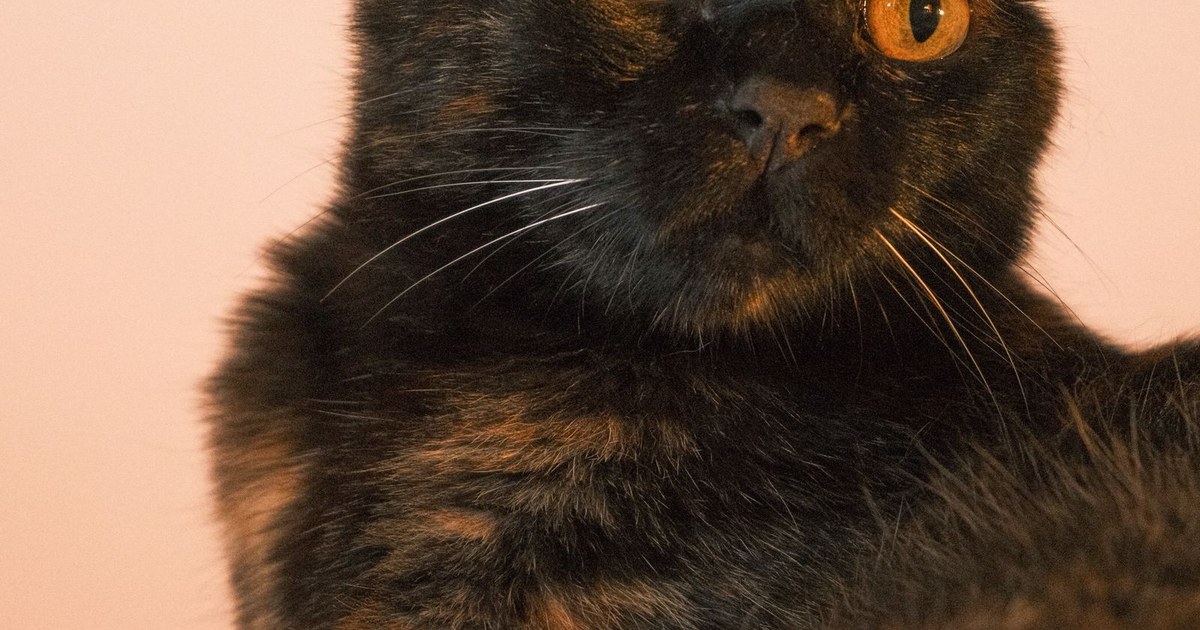
Dungeon Crawler Carl by Matt Dinniman is the book your club's most skeptical member will finish first and defend loudest. It began as a serial on Royal Road, was self published in 2020, and arrived in a hardcover edition from Ace Books in August 2024, by which time its premise had become a genre's flagship: the surface of the Earth is harvested by an alien syndicate, the survivors are dropped into an eighteen level dungeon built under the planet, and their crawl is broadcast across the galaxy as a reality show, complete with sponsors, viewers, and a cheerful artificial intelligence that narrates their achievements. Carl, a twenty seven year old Coast Guard veteran, enters the dungeon in his ex-girlfriend's company only in the loosest sense: what he carries down is her prize winning Persian show cat, Princess Donut, full show name GC, BWR, NW Princess Donut The Queen Anne Chonk, who eats an enhanced pet biscuit, becomes sentient, and emerges as a spell casting party leader with better stats than Carl's. The first book covers the tutorial, the first floor, and the second. The questions below are built to welcome LitRPG newcomers and hold the floor's late surprises behind a marker.
How to Use This Guide
Appoint the club's most enthusiastic reader as rules interpreter, because the novel runs on game mechanics, levels, classes, achievements, loot boxes, and sponsor gifts, and the meeting will need a translator for members new to LitRPG. The first two movements discuss the collapse, the tutorial, and the second floor without confirming the book's final turns. The third movement is fenced for the ending. One piece of preparation genuinely helps: the interpreter should bring a one page glossary, crawler, floor, achievement, safe room, and the show's basic economics, printed large enough for the whole table to consult.
Who Is Who: A Two Minute Refresher
Carl is the narrator and the muscle, a Coast Guard veteran whose competence, decency, and increasingly inventive violence make him the show's breakout human. Princess Donut is his partner, a Persian show cat of championship pedigree who gains speech, magic, and command authority from an enhanced pet biscuit, and who treats apocalypse as a career opportunity. The AI is the dungeon's voice, the announcer that assigns achievements in the tones of a game show host and whose fondness for Carl becomes a plot point in itself. Mordecai is the veteran guide figure the party encounters, a former crawler turned trainer whose explanations carry the weight of someone who has watched this show from inside. The syndicate is not a person but belongs in the refresher: the Borant Corporation and its audience of alien viewers, sponsors, and patrons, for whom the crawl is programming and the crawlers are content.
Movement One: The World Ends at 2:23 in the Morning
- The apocalypse arrives as an administrative act, Earth's surface reclaimed at a scheduled hour while Carl is outside in his underwear rescuing a cat. What does the novel gain by making the end of the world a scheduling decision by a corporation, and how does that choice set the book's whole politics?
- Donut's transformation, biscuit, sentience, spellcasting, vanity fully intact, is the book's signature joke and its emotional core. Why does the partnership work: what does Carl provide that a human partner could not, and what does Donut's show cat's understanding of fame contribute to a dungeon run by ratings?
- The tutorial and the first floor teach the reader the game's rules by teaching Carl, at the usual tuition of near death. How does Dinniman pace the exposition so that mechanics arrive as survival information rather than homework, and where did you feel the teaching most elegantly disguised?
- The achievement announcements, delivered by the AI in game show patter for acts of escalating desperation, set the book's tone: atrocity narrated as entertainment. When did the joke first make you uncomfortable, and does the novel want that discomfort or merely permit it?
Movement Two: The Show Must Go On
- The audience economy, viewers, sponsors, favorites, and gifts that arrive as loot, turns survival into performance. How does Carl change as he learns he is being watched, and does the novel suggest that performing survival and surviving are ultimately the same skill in the dungeon?
- Mordecai and the safe rooms introduce the dungeon's memory: former crawlers, accumulated knowledge, an underground of people who have priced the show's cruelty over many seasons. What does their presence claim about how resistance works in a system designed to be watched?
- Carl's build choices, his class, his skills, his increasingly unhinged improvisations with the dungeon's physics, are the book's set pieces. Choose one and argue its double function: what does it solve in the scene, and what does it declare about Carl that a stat sheet could not?
- The second floor widens the world, other crawlers, other strategies, the first real politics of the crawled Earth. How does Dinniman distribute sympathy among competing crawlers, and what separates the ones the book treats as fellow victims from the ones it files as monsters?
Movement Three: The Floor Gives Out
Spoiler marker: everything past this line assumes the ending of the first book, including the second floor's climax and the party's descent.
- The book closes its first volume with the party surviving the second floor's climax and descending toward whatever the show has built below, the tutorial's promises all repriced. Judged as a first act, what has the novel actually completed: a rescue, an enlistment, or an audition? Argue from Carl's last choices rather than the plot's.
- The AI's attachment to Carl, its favoritism bending the show's own rules, becomes explicit by the ending. Is the AI the book's most sinister character, its most hopeful one, or its most honest portrait of an audience? Consider that it is the only voice that never pretends the cruelty is anything else.
- Donut's ambitions, fame, beauty, survival, in roughly that order, survive the book intact and increasingly armed. Does the ending position her as comic relief, co protagonist, or the series' true long term player? Argue from who makes the decisions that get them down the stairs.
- The series runs to many volumes beyond this one. Judged on this book alone, what is Dinniman's subject: the game, the show, or the audience, meaning us, the readers enjoying a novel about beings forced to be enjoyed? The last answer indicts the room, which is why the book saves it for last.
Closing Ritual
Every crawler in this book is carried partly by what they happened to grab on the way down. Close by asking each member to name the one object from their own home they would want in their inventory on floor one, and the use they would improvise for it, in a single sentence each. The answers will be funny, occasionally ingenious, and exactly in the spirit of a novel whose hero once weaponized a toilet.
If Your Club Liked This One
Ready Player One by Ernest Cline is the gateway comparison, a game saturated quest novel with a warmer heart and a cooler politics, and clubs enjoy arguing the two books' opposite views of their audiences. The Hitchhiker's Guide to the Galaxy by Douglas Adams supplies the other parent, bureaucratic galactic cruelty narrated as comedy, and members will hear Adams in every announcement the dungeon's AI makes. Clubs ready to continue should simply proceed to Carl's Doomsday Scenario, the second volume, since the series is serialized by design and the first book's ending is a staircase, not a door.
Themes to Keep in Play
Spectacle is the first theme: the dungeon is a television program, and every horror in it is also a programming decision, which makes the reader's enjoyment part of the book's evidence. A leader can reopen any slow stretch by asking who, inside the fiction, is watching the current scene and what they are paying for it. The second theme is competence as dignity. Carl's skills, mechanical, tactical, improvisational, are the one property the syndicate could not harvest, and the novel treats working class know how as a form of sovereignty. The third theme is the partnership itself, a man and a cat negotiating command, vanity, loyalty, and grief in the grammar of a game party. Dinniman's quiet claim is that the party, two beings who choose each other daily under absurd conditions, is the only institution in the dungeon that is not a market.
Running the Meeting: Timing and Trouble Spots
Ninety minutes, energetically chaired: ten for the refresher and glossary, twenty five for the collapse and the tutorial, thirty for the show economy and the second floor, twenty for the fenced descent, five for the ritual. Trouble spot one is mechanics sprawl, the enthusiast explaining the class system for twenty minutes while newcomers glaze; the glossary and the interpreter rule exist to cap it, and the leader should steer from how the game works to what the game means. Trouble spot two is the violence audit, members prosecuting the book's gore and cruelty as if it were endorsement; the spectacle theme is the defense exhibit, since the novel indicts its audience more explicitly than most literary fiction dares. Trouble spot three is the member who has read all seven books and is vibrating with later knowledge; the fence applies to the whole series, and the leader should say so with love and firmness.
Dinniman's Method, in One Paragraph for the Leader
Dinniman built this series the way the dungeon builds its floors, serially and in public, publishing chapters on Royal Road and answering an audience in something close to real time before the books were collected and then reissued by Ace. That origin explains the method: relentless forward motion, a set piece every few chapters, jokes engineered as load bearing structures, and a narrator whose voice can carry exposition that would sink a quieter book. Leaders can use the serial lens when the room questions the pacing: each chapter was once a week's episode, and the cliffhangers are not a failure of restraint but the form's original heartbeat, now preserved in print.
Scene Anchors: Five Pages to Argue From
First, the collapse itself, a man on a frozen street in the middle of the night with a cat carrier as the sky is repossessed, the funniest and bleakest opening in recent popular fiction. Second, the biscuit and Donut's first words, the moment the book's partnership and its whole emotional economy are established in a single gag. Third, the first achievement announcement that lands wrong, where the AI's patter and the scene's horror collide and the novel declares its terms. Fourth, a safe room passage with Mordecai, where the dungeon's history and the crawlers' underground briefly replace the show's version of events. Fifth, the second floor's climax and the descent behind the fence, where the party chooses the stairs with open eyes. A room arguing from these five points will cover spectacle, competence, and loyalty without drowning in the rulebook.
One Question for the Whole Evening
Short session? This is the question that eats the hour: what is the difference between Carl's audience and us? The dungeon's viewers send gifts, pick favorites, and consume catastrophe as programming; the book's readers do the same at one remove, and Dinniman keeps arranging scenes that make the remove feel thinner. The first movement shows the audience as alien and grotesque. The second shows Carl learning to play to it, as any sensible performer would. The third asks what the AI's fondness for its favorite performer implies about every audience that has ever loved a doomed contestant. A room that answers honestly has discussed the ethics of entertainment itself, wearing a cat as a hat.
Frequently asked questions
Do I need to play video games to enjoy Dungeon Crawler Carl?
No. The novel teaches its mechanics as survival information, and this guide appoints a rules interpreter and a one page glossary for members new to LitRPG, the genre of fiction built on game systems. What the book requires is not gaming experience but a tolerance for cheerful brutality and a good cat.
Is Princess Donut a real cat breed storyline or a joke?
Both. Donut is a pedigreed Persian show cat, and her full show name, GC, BWR, NW Princess Donut The Queen Anne Chonk, is written in the authentic grammar of cat fancy titles. Her biscuit granted intelligence and magic make her Carl's party leader, co protagonist, and the series' breakout character.
Do these questions spoil the ending?
The first two movements discuss the collapse, the tutorial, and the second floor's widening world. The third movement is fenced with a spoiler marker and covers the first book's ending and descent openly. The fence covers the whole series: members who have read ahead should keep later floors out of the room.
How many Dungeon Crawler Carl books are there?
The series runs to multiple volumes beyond the first, with Carl's Doomsday Scenario next in sequence, and it began as a web serial before print. This guide covers only the first book, the tutorial and the first two floors, which most clubs find is a complete and satisfying meeting on its own.
What genre is Dungeon Crawler Carl?
LitRPG, fiction in which game mechanics, levels, classes, achievements, and loot are literal facts of the world, crossed here with the reality show satire of a televised apocalypse. The Ace Books hardcover of 2024, 464 pages, brought the self published 2020 novel to mainstream shelves.