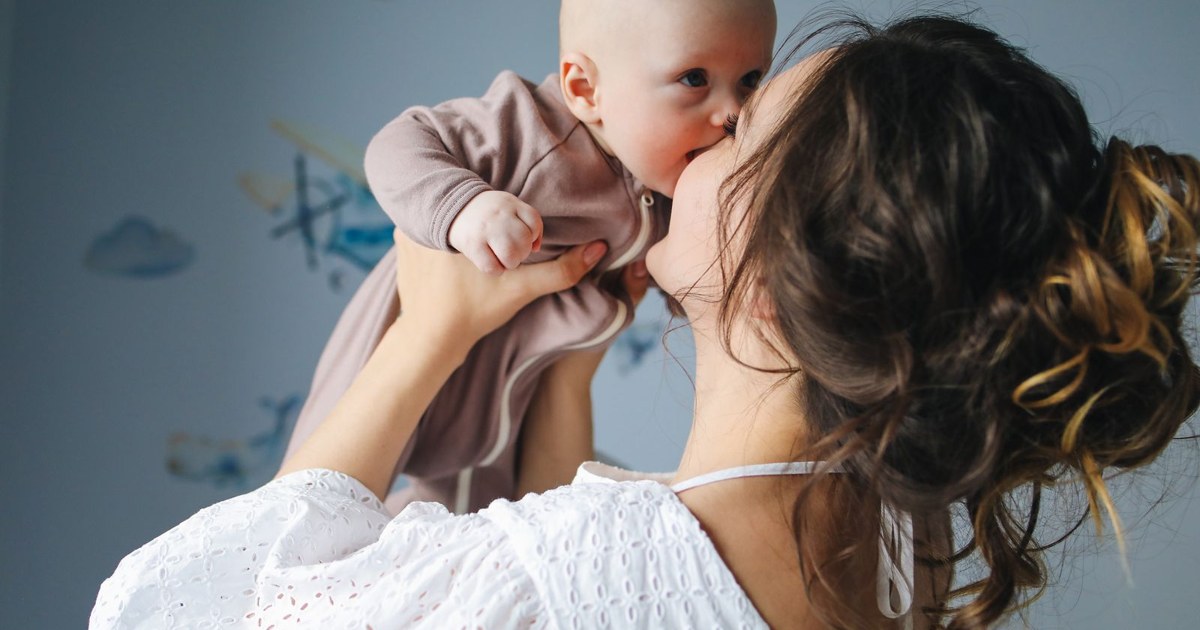
This page is fenced, deliberately, to the arrival itself. A companion page on this site covers life with a new sibling, the rivalry, the routines, the becoming a pair; this page covers the event a toddler is actually waiting for: the pregnancy he can see changing his mother, the meeting, in a hospital room or a front doorway, and the first noisy weeks at home when the baby is real and the household is rearranged around feeding and sleep. Books were chosen for those three stages in order, because a toddler experiences the arrival as a sequence, not a theme, and a book that matches the stage he is standing in lands like information while the same book a stage early lands like weather. All are short, all survive forty readings, and none of them oversells the baby, which is this page's editorial line: the newborn will not play, will not talk, and will cry at volumes that impress everyone, and the toddler who was told so, kindly and in advance, is the toddler who copes.
While you are waiting
Waiting for Baby by Rachel Fuller (2009), from the New Baby series, is the pregnancy book for the youngest toddlers: a small child watches his mother's tummy grow, helps prepare, visits, waits, in pictures and sentences sized for a two year old's patience. Its virtue is sequence; the waiting has a shape, and the shape has an end. What's in Your Tummy Mummy? by Sam Lloyd (2007) takes the curious toddler's actual question as its title and answers it with flaps and jokes: month by month, behind liftable doors, the baby grows from poppy seed scale to watermelon scale, compared against foods and objects a toddler can hold in his head. The humor is load bearing, because pregnancy is long and a book that makes the household laugh about the watermelon stage will be read for the whole nine months without anyone dreading it. Read Fuller for the calm line of the story and Lloyd for the questions; between them the waiting is covered at both registers a toddler uses, the worried and the delighted.
Meeting the baby
My New Baby by Rachel Fuller (2009), the companion volume, covers the arrival with the same steadiness: the baby comes home, is small, sleeps, feeds, cries, is held by everyone, and the older child is inside the pictures doing the holding and the helping rather than watching from the edge. Its inclusion of the older child's hands, on the blanket, on the bottle, in the welcome, is the detail that makes it work; toddlers rehearse what they can see themselves doing. The New Baby by Mercer Mayer (2001), a Little Critter book, supplies the honesty the meeting deserves. Little Critter's baby sister arrives and the book admits, in his flat first person, the anticlimax at the center of the event: the baby cannot play, cannot talk, mostly sleeps and cries, and the fun promised by adults is not immediately visible. Then, carefully, it finds the real compensations, the holding, the showing off, the first smiles arriving like weather changing, without pretending they were there from day one. For the toddler whose face falls at the first meeting, and there are many, Mayer's book is the one that says his reaction is normal and survivable, in the voice of a character he already trusts.
The first weeks at home
Babies Don't Eat Pizza by Dianne Danzig (2009) does its second tour of duty on this site here, having anchored the helper shelf of the big brother page, because the first weeks are exactly its subject: what the baby does all day, which is less than advertised, and what the big kid can do, which is more than he feared. Its catalog of the baby's limitations, no pizza, no catch, no talking, read in week two of the new regime, gets the biggest laugh in toddler literature's small canon, because it is the laugh of recognition. Hello in There! by Jo Witek (2013), subtitled a big sister's book of waiting, is shelved here rather than in the waiting section because its best use is the threshold itself: a little girl speaks to the baby through her mother's tummy across the pregnancy, in flaps and growing circles, and the book ends at the meeting it has been rehearsing. Families read it through the waiting and then once more, the night before or the morning of the meeting, as a bridge object, and its tenderness suits that ceremonial role. A practical note closes the shelf: keep the meeting books in the bag that goes to the hospital or the grandparents' house, because the toddler's first hours with the baby happen away from the home shelf, and a familiar book in a strange room is ballast.
The list at a glance
| Stage | Start with | Why |
|---|
| Early waiting | Waiting for Baby | The pregnancy in toddler sized terms |
| Curious questions | What's in Your Tummy Mummy? | Flaps, humor, the baby month by month |
| The meeting | My New Baby | The arrival, shown step by step |
| The honest anticlimax | The New Baby | Little Critter admits babies are quiet |
| The threshold | Hello in There! | Talking to the baby, up to the meeting |
| First weeks explained | Babies Don't Eat Pizza | What babies do, and what big kids can do |
Managing the meeting itself
The books prepare the idea; the adults stage the event, and staging matters more than any title here. Where custom allows, let the toddler enter to a mother whose arms are free, the baby in the cot or with another adult for the first minutes, so the reunion with his mother is not conducted across a stranger. Let him approach at his speed, including the speed that inspects the baby for four seconds and leaves to find his toys, which is a successful meeting wearing plain clothes. A small gift from the baby is a cliché because it works, not because it is profound; it gives the toddler a story about the day in which he received as well as yielded. Photograph the meeting if the toddler enjoys photographs and skip the staging if he does not; the memory being built is his, not the family's archive. Then read My New Baby that evening, in the rearranged house, and let the book's step by step calm describe the day he has just lived. That closing of the loop, event, then story of the event, in the same day, is how toddlers file experiences as survivable, and it is the deepest use this page's shelf can be put to.
Packing the toddler's bag, and other meeting day crafts
The meeting day runs on logistics, and the toddler's logistics deserve the same care as the mother's. His bag, packed with him the day before, should hold the meeting book from this page, one beloved old book for ballast, his comfort object, a change of clothes against the day's excitements, and the snack he would choose for himself, because a strange building, a changed mother, and hunger are three variables too many. Whoever brings him should be briefed in the same spirit as the grandparents on the companion page: the reunion with his mother comes first, the baby is approached at his speed, photographs are optional, and the visit ends while it is still going well, because a short good visit files itself as a good day and a long unraveling one files itself as the day everything changed. If the birth keeps him home instead, the homecoming gets the planning: his person at the door, the house as he left it where possible, his books and his chair in their places, so that the one new thing in the room is the baby and everything else testifies that his world held. These are small crafts. They are also the difference between a story the toddler tells as the day the baby came and a story he tells as the day he was displaced, and the books on this page will be read inside whichever story the adults have built.
The first fortnight's reading rhythm
After the arrival, the reading rhythm matters more than the reading list. Keep the bedtime book at its usual hour with its usual adult wherever humanly possible, even when the baby must be fed through it in the same chair, because the toddler is auditing the household for what the baby has cost him and the bedtime book is the audit's headline figure. Expect the requests to regress to the baby books of his own infancy, and honor them without comment; he is checking that the small self he was is still welcome in the house, and a week of his old board books, read to a three year old with a straight face and full honors, is cheap reassurance. Introduce the first weeks title from this page, Danzig's catalog of what babies cannot do, a few days in, when its jokes have become his lived experience and will land as recognition rather than warning. And when exhaustion flattens the household's reading to nothing for some days, as it will, let it be nothing without guilt and restart at the rhythm, not at the guilt, because the toddler takes his reading of the season from the adults' faces far more than from the shelf.
Feeding time, bath time, and the toddler's chair at each
The new regime announces itself in the day's ceremonies, and the toddler reads his rank in where he is placed at each. Feeding time is the long one, hours a day in the early weeks in which the mother's arms and attention are spoken for, and the households that weather it best build the toddler a station inside it rather than exiling him from it: his own chair pulled close, his book or his snack at the ready, the standing invitation to be the audience and the DJ of the feeding hour, so that the baby's meals become a time he is included at the center of rather than managed at the edge. Bath time runs the same logic in miniature, the toddler as the washer of feet, the pourer of the rinsing cup, offices with water in them being the most prized offices in any toddler economy. None of this requires the baby to be interesting yet. It requires the adults to staff the ceremonies with the toddler's name on the roster, which is the whole secret of the season, repeated at every hour of the day until the roster is simply the family.
Twins, preemies, and other special arrivals
When the arrival is twins, or early, or begins in a hospital ward where the toddler cannot simply visit, the shelf holds but the script adapts. Twins double the honest book's jokes and the ceremonies' value, and the toddler's station at feeding time becomes a command post worth staffing proudly. A premature baby changes the meeting's timing, sometimes by weeks, and the waiting books earn a second reading in the interval, with the adults supplying the plain facts, she is small, she is growing in a special bed, you will meet her when she is stronger, in the same spirit of sequence and honesty the books model. The principle survives every variant: the toddler told early, plainly, and in order adjusts to almost anything; the toddler surprised by it adjusts to the surprise as well as the event.
More recommendations
Frequently asked questions
What is the difference between this page and the new sibling page?
This page covers the arrival: the waiting, the meeting, and the first weeks, fenced to the event itself. The sibling page covers what follows, the disrupted routines, the rivalry, and the slow work of becoming a pair. Read this one during pregnancy; keep that one for the first year.
Which book should we read first in pregnancy?
Waiting for Baby, for its calm sequence, as soon as the pregnancy is being discussed openly. Add What's in Your Tummy Mummy? when the questions start, because its flap by flap growth chart answers the toddler's actual curiosity in the order he asks it.
My toddler was disappointed meeting the baby. Is that normal?
Completely, and The New Baby by Mercer Mayer exists for him. Newborns cannot play, talk, or return affection on schedule, and a toddler promised a playmate feels the gap. Name it, read the honest book, and point at the compensations as they genuinely arrive, the holding, the first smiles, the showing off.
Should the toddler visit at the hospital or wait for home?
Either can work, and the books prepare both. If he visits, bring a meeting book in the bag and keep the visit short and mother first. If he waits, let the homecoming be his event, door opened by him if he wants it, and the same books read that evening to file the day.
How many new baby books does a toddler need?
Two or three across the stages: one waiting book, one meeting book, and Babies Don't Eat Pizza for the first weeks covers the whole arrival. The arrival is an event, not a curriculum, and repetition of a few trusted titles serves a toddler better than a library of novelties.